
The Lodge 10.25-Inch Skillet Is the Safe Recommendation—Until You Have to Lift It
· NookPrep Editorial Team
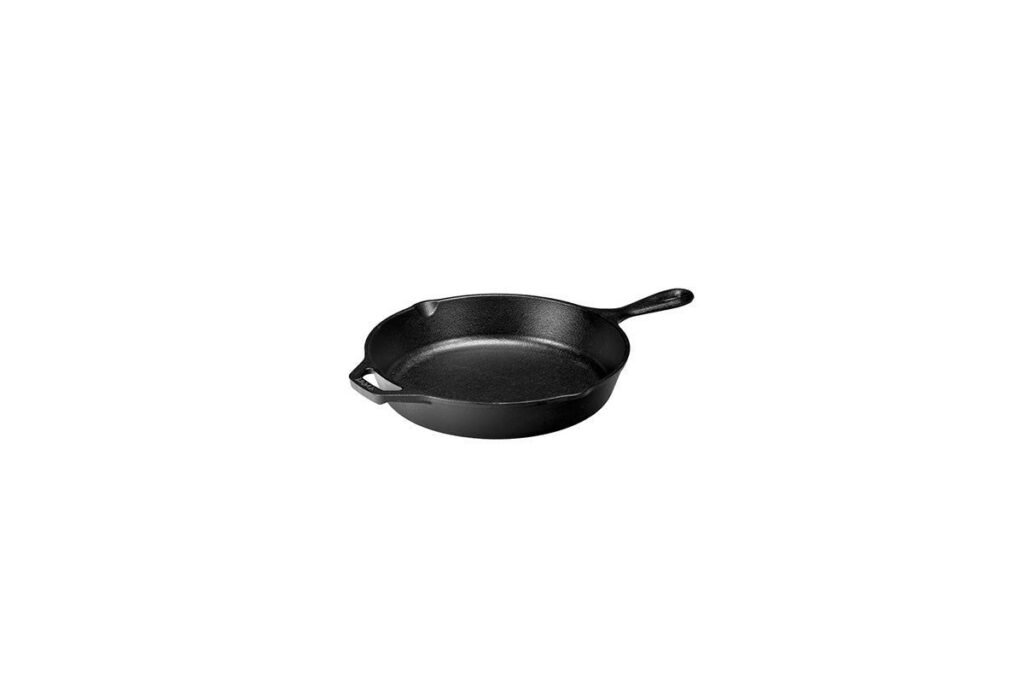
Quick verdict: The Lodge 10.25-Inch Seasoned Cast Iron Skillet is a strong fit for cooks who want one pan that can move from stovetop to oven, handle high heat, and stay useful for years without a nonstick coating. The biggest trade-off is not cooking performance—it is ownership. At about 5.66 pounds before food is added, this skillet asks more from your wrists, sink routine, and storage than a lightweight aluminum pan.
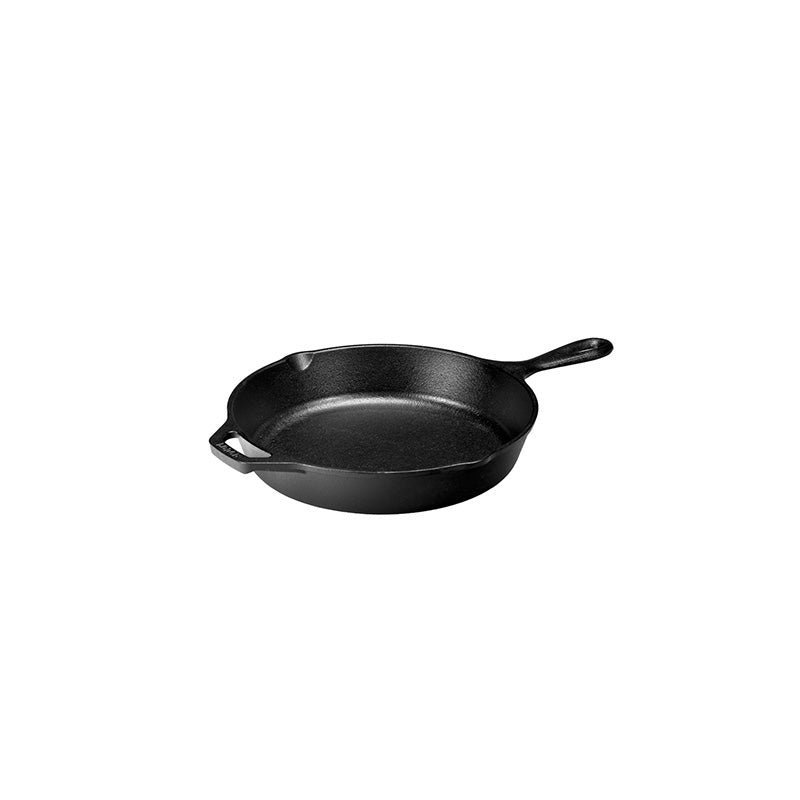
Best for: one-pan cooking, searing, oven finishing, cornbread, skillet meals, and buyers who value durability over low weight.
Skip if: you need a pan that is effortless to lift one-handed, want zero seasoning maintenance, or mainly cook very small portions.
Biggest compromise: excellent heat capacity and broad cooking compatibility in exchange for weight and a more hands-on cleaning routine.
As an Amazon Associate I earn from qualifying purchases.
Check the Lodge 10.25-Inch Cast Iron Skillet on Amazon
Why 10.25 inches is such a practical cast-iron size
A skillet can be “compact” and still be too small for the way you cook. Lodge’s 10.25-inch model sits in the useful middle: large enough for several portions of vegetables, a few pieces of protein, cornbread, shallow frying, and many one-pan dinners, but not as wide or heavy as a 12-inch skillet. For an apartment kitchen, that balance matters because a pan has to earn both burner space and cabinet space.
The published overall width is about 10.68 inches, with a handle that brings the total length to roughly 16.12 inches. Those numbers matter more than the nominal 10.25-inch label when you are checking a small sink, oven, or cabinet. Measure the storage path—not just the burner—because the long handle is what often determines whether a skillet fits comfortably.
Ten Inches Sounds Compact Until You Try to Cook a Full Dinner
The most important buying question is whether the skillet lets you cook a normal meal without crowding. Cast iron rewards surface contact: when food is packed too tightly, moisture gets trapped and browning becomes harder. A 10.25-inch skillet gives more working room than an 8-inch pan while still staying manageable on common home burners.
For one or two people, that extra area can mean cooking vegetables beside a protein instead of running two batches. For a family, the pan can still be useful, but it is not automatically large enough for every full dinner. If you regularly cook four large steaks or a very large breakfast at once, a bigger skillet may reduce batching. If you mostly fry one egg or toast a sandwich, the 10.25 can feel like more iron than the task needs.
The Heat Retention Is the Reason to Buy It—and the Reason to Be Patient
Cast iron is valued for heat retention. Once the pan is preheated, it can hold substantial thermal energy when cooler food hits the surface. That is why this format makes sense for searing, browning, shallow frying, and oven-finishing. Lodge also lists the skillet for use on stovetops, including induction, as well as ovens, grills, and campfires.
Heat retention is not the same thing as instant responsiveness. A thick cast-iron skillet takes time to heat and time to cool. If you frequently make delicate sauces where you want the pan temperature to drop immediately after turning the burner down, a lighter pan can feel easier to control. The Lodge is better when steady stored heat is an advantage rather than when rapid temperature changes are the priority.
Five-Plus Pounds Changes How Often You Reach for a Pan
Lodge lists the L8SK3 at about 5.66 pounds. Add food and the pan becomes meaningfully heavier. That matters when transferring it to an oven, tipping out food, or carrying it to the sink. A helper handle opposite the main handle gives you a second grip point, but this is still not a “lightweight everyday pan.”
For some cooks, the weight is an acceptable exchange for stability and heat capacity. For others, it is the reason the skillet stays in the cabinet. If wrist strength, arthritis, or one-handed lifting is a concern, treat weight as a primary buying factor rather than a minor specification. A pan that performs beautifully but is unpleasant to move is not a good fit.
The Pan Gets Better With Care, but the Care Never Disappears
The skillet arrives seasoned with vegetable oil, so it is ready for normal cooking after a basic rinse or wipe according to Lodge’s care guidance. Seasoning is not a synthetic nonstick coating. It is a baked-on oil layer that improves with appropriate use and care. That means the surface changes over time rather than behaving like a brand-new coated pan forever.
The routine is straightforward but not zero-maintenance: wash by hand, dry promptly, and apply a light layer of oil when the surface looks dry. Lodge does not recommend treating this like a dishwasher-safe stainless pan. For a small kitchen, the practical question is whether you have somewhere to let a heavy skillet dry without blocking the sink and whether you are comfortable doing a quick wipe-and-oil step.

What “naturally nonstick” should—and should not—mean
Well-maintained cast iron can release many foods very well, but it should not be treated as identical to a new PTFE-style nonstick skillet. Eggs, fish, and other delicate foods depend on seasoning condition, preheat, fat, and technique. Marketing language can make cast iron sound maintenance-free; in reality, the surface rewards consistent use.
The upside is longevity. There is no fragile factory nonstick layer that has to remain pristine for the pan to be useful. Minor seasoning problems can often be repaired. The trade-off is that the user becomes part of the surface-maintenance system.
Acidic food: a real-world trade-off
Tomatoes, wine-based sauces, and other acidic foods are not automatically forbidden in seasoned cast iron, but long simmering can be harder on a newer or weaker seasoning layer and may affect flavor or surface appearance. A well-established pan is generally more forgiving. If long acidic braises are a major part of your cooking, enameled cast iron or stainless steel can be a more convenient tool.
This is a good example of why “versatile” needs boundaries. The Lodge can cover a remarkable range of tasks, but the best all-purpose pan is still the one whose maintenance and material behavior match the foods you cook most often.
10.25-inch vs 8-inch Lodge: the short answer
| Decision point | Lodge 10.25-inch | Lodge 8-inch |
|---|---|---|
| Batch size | Better for full meals and several portions | Better for small portions and sides |
| Weight | Heavier at about 5.66 lb | Lighter at about 3.44 lb |
| Storage | Needs more cabinet and sink clearance | Easier in very small kitchens |
| Flexibility | Better one-pan main skillet | Better secondary or solo skillet |
| Best fit | Couples, small families, one-pan meals | Solo cooking, eggs, sides, limited storage |
If those differences are your main decision, our Lodge 8-inch vs 10.25-inch skillet comparison goes deeper into usable size, weight, storage, and ownership.
How the skillet fits a small kitchen
Cast iron has one important small-kitchen advantage: one pan can cover jobs that might otherwise be split among a sauté pan, oven-safe baking dish, and dedicated searing pan. If you actually use that flexibility, the skillet can reduce equipment count. If you already own specialized cookware for each task, it may become one more heavy object to store.
The handle and weight are the two practical constraints. A 16-inch-plus overall length can make shallow cabinets awkward, and stacking cast iron directly on delicate cookware can damage finishes. A pan protector or separate shelf position may be necessary. Think about where the skillet lives before buying it, because “leave it on the stovetop” is not always realistic in a kitchen with two burners and minimal prep space.
Who benefits most from this pan?
Home cooks who sear and roast: the stovetop-to-oven workflow is one of the strongest reasons to own it. Brown meat or vegetables first, then finish the dish in the oven without changing vessels.
People who prefer durable cookware: cast iron can remain useful for decades when maintained. That is a different value proposition from replacing a worn coated skillet every few years.
Small households that want one workhorse: the 10.25-inch size is broad enough for many full meals while still being more manageable than oversized cast iron.
Who should choose something else?
Choose lighter cookware if easy lifting and rapid temperature response matter more than heat retention. Choose an 8-inch skillet if you mostly cook one or two small items and cabinet space is extremely tight. Choose stainless steel if you frequently simmer acidic sauces and want a lower-maintenance surface. And choose enameled cast iron if you want cast-iron heat behavior with less concern about seasoning during acidic cooking.
Value: why this skillet remains easy to recommend
The value case is not based on gadgets or accessories. It comes from a simple piece of cookware being able to perform many roles across many years. Lodge manufactures this skillet in the United States and sells it pre-seasoned. The material is PFAS-free cast iron, and the pan does not depend on a replaceable coating for its core function.
That does not mean cast iron is automatically the cheapest choice for every person. If the weight or care routine keeps you from using it, durability has little practical value. A cheaper-to-own pan is the one you actually reach for. The Lodge is a strong value when its strengths line up with your cooking habits.
Should you buy the Lodge 10.25-Inch Skillet?
Buy it if you want a durable, oven-safe workhorse and are comfortable with the weight and seasoning routine. The 10.25-inch size is particularly sensible for a couple or small household that wants enough cooking area for real meals without jumping straight to a 12-inch pan.
Skip it if the idea of hand washing, drying, and occasionally oiling a heavy pan already sounds annoying. The ownership routine is not difficult, but it is part of the product. Also skip it if you mostly cook tiny portions; the 8-inch Lodge may match the job with less weight and storage demand.
See the current Amazon listing for the Lodge 10.25-Inch Skillet
The Questions Cast-Iron Buyers Usually Ask Too Late
Is the Lodge 10.25-inch skillet pre-seasoned?
Yes. Lodge sells the L8SK3 seasoned with vegetable oil. The seasoning continues to develop through use and proper care.
Can it be used on induction?
Yes. Lodge lists the skillet for induction and other stovetops, as well as the oven, grill, and campfire.
How heavy is it?
Lodge lists the 10.25-inch skillet at about 5.66 pounds before food is added. That is important to consider if one-handed lifting is difficult.
Is it dishwasher safe?
No. Lodge’s standard cast-iron care guidance is hand washing, prompt drying, and a light oiling when needed.
Does cast iron replace a nonstick skillet?
It can handle many foods with a good seasoning layer and proper technique, but it does not behave exactly like a factory-coated nonstick pan. Delicate foods can require more heat and fat control.
The Safe Recommendation Becomes Less Safe When Strength Is the Constraint
The 10.25-inch Lodge is easy to recommend because it sits in a useful middle ground: large enough for many one-pan meals, small enough for common stovetops, and versatile across stovetop, oven, grill, and campfire use. But recommendations based on cooking area alone ignore the part you physically interact with every day—the weight.
At roughly 5.66 pounds before food, the skillet asks more from your wrist and forearm than a lighter pan. Add food, oil, or sauce and the lift becomes more demanding. If you regularly move a pan with one hand, wash it in a small sink, or store it above shoulder height, weight is not a footnote. It can determine whether the pan becomes your everyday choice or the one you avoid.
The Best Size Is the One You Reach for on a Tuesday
Cookware is often judged by what it can do at maximum capacity. Daily usefulness is different. A pan earns its place when it handles the meals you actually make without creating unnecessary cleanup or handling friction. The 10.25-inch size is strong when you cook complete portions, sear several pieces at once, or want one skillet to cover breakfast, vegetables, meat, and oven finishing.
If most of your cooking is one egg, a small side, or a single serving, the 8-inch can feel disproportionately easier. The smaller pan gives up usable surface area but reduces the burden of moving, washing, and storing cast iron.
Heat Retention Helps Most When the Food Would Otherwise Cool the Pan
Cast iron’s thermal mass is useful when adding food would cause a thinner pan to lose more surface heat. That makes the Lodge appealing for searing and other tasks where maintaining a hot cooking surface matters. The same mass also means the pan does not respond instantly when you change the burner.
That slower response rewards deliberate preheating and temperature control. It can frustrate cooks who are used to lightweight cookware that reacts quickly. The material is not simply “better at heat”; it behaves differently, and the technique has to follow.
Seasoning Is Less Complicated Than Its Reputation—and More Important Than Marketing Makes It Sound
The skillet arrives seasoned, but cast iron ownership still involves drying it promptly and maintaining the surface over time. That is manageable for many people, especially if the pan is used regularly. It is also a real extra step compared with cookware designed for dishwasher cleaning or a factory nonstick coating.
Buyers who enjoy durable tools and do not mind a small care routine may find that trade easy. Buyers who want to cook, soak, and forget about the pan should take the maintenance seriously before choosing cast iron.
The Pan Can Be a Space Saver Only If It Replaces Something Else
A heavy skillet does not become small-kitchen friendly simply because it is versatile. It earns the label when it replaces multiple pans you would otherwise keep. If it becomes your searing pan, oven pan, breakfast pan, and general skillet, the footprint can be justified. If you already own pans that perform those jobs and still plan to keep all of them, the Lodge adds weight and storage demand rather than reducing it.
That is the best way to evaluate cookware in a compact kitchen: not by counting features, but by asking which existing object the new pan makes unnecessary.
The 8-Inch Is the Better Answer When Handling Matters More Than Capacity
If you mostly cook single portions, have limited grip strength, wash pans in a narrow sink, or store cookware in a tight cabinet, the smaller Lodge deserves serious consideration. It gives up cooking area, but it also lowers the physical cost of every lift, wash, and return to storage. The 10.25-inch is the safer all-around recommendation only when that extra surface gets used often enough to justify the weight.
What We Evaluated Before Calling It an Everyday Size
NookPrep did not conduct hands-on lab testing for this review. We evaluated Lodge’s current specifications for model L8SK3, material, dimensions, listed weight, seasoning and care guidance, cooking-surface compatibility, and exact Amazon product identity (ASIN B00006JSUA). Availability and price can change.
If Weight Is the Only Thing Holding You Back
If size is the only thing holding you back, compare the Lodge 8-inch and 10.25-inch skillets. If you are really trying to solve baking-sheet capacity rather than stovetop cooking, our Nordic Ware Naturals Baker’s Half Sheet review is the more relevant next read.
2 thoughts on “The Lodge 10.25-Inch Skillet Is the Safe Recommendation—Until You Have to Lift It”
Comments are closed.