The Smaller Lodge Is Easier to Own. So Why Does the 10.25-Inch Usually Win?
· NookPrep Editorial Team
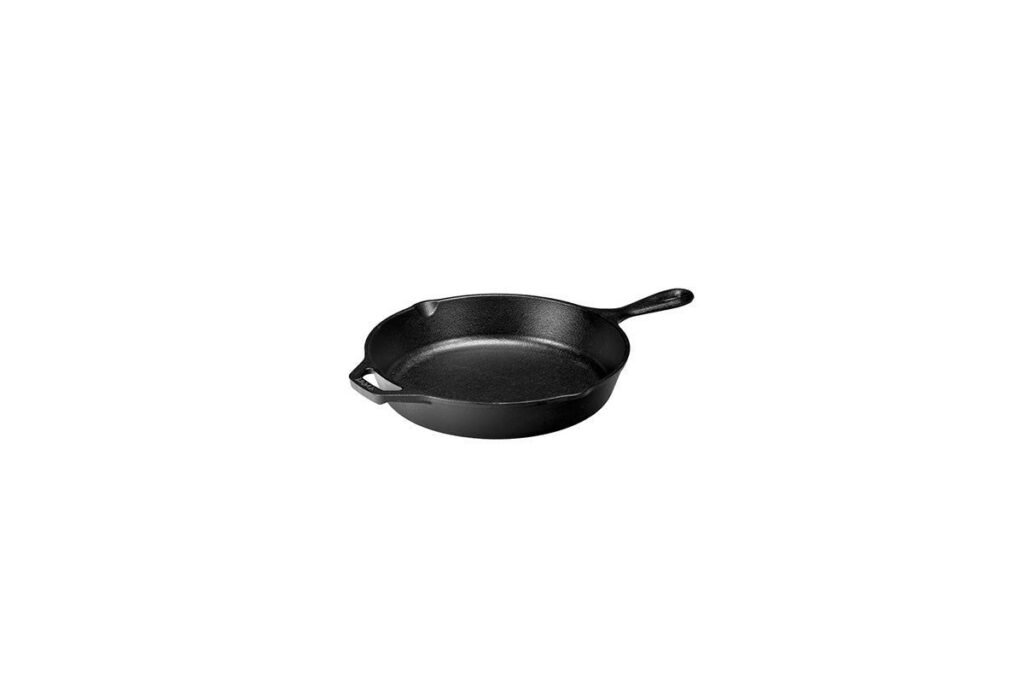
Fast answer: The Lodge 10.25-Inch Skillet is the better one-pan choice for most couples and small households because it gives you enough cooking area for a real meal. The Lodge 8-Inch Skillet is the better space-and-weight choice for solo portions, eggs, sides, or kitchens where every pound and inch matters. Neither is universally better; the right size depends on the food volume you cook and how often you need to lift, wash, and store the pan.
Best overall for everyday meals: Lodge 10.25-inch L8SK3.
Best for solo cooking and limited storage: Lodge 8-inch L5SK3.
Choose neither if: you want dishwasher-safe cookware, very fast temperature response, or a lightweight pan.
As an Amazon Associate I earn from qualifying purchases.
Meet the two pans
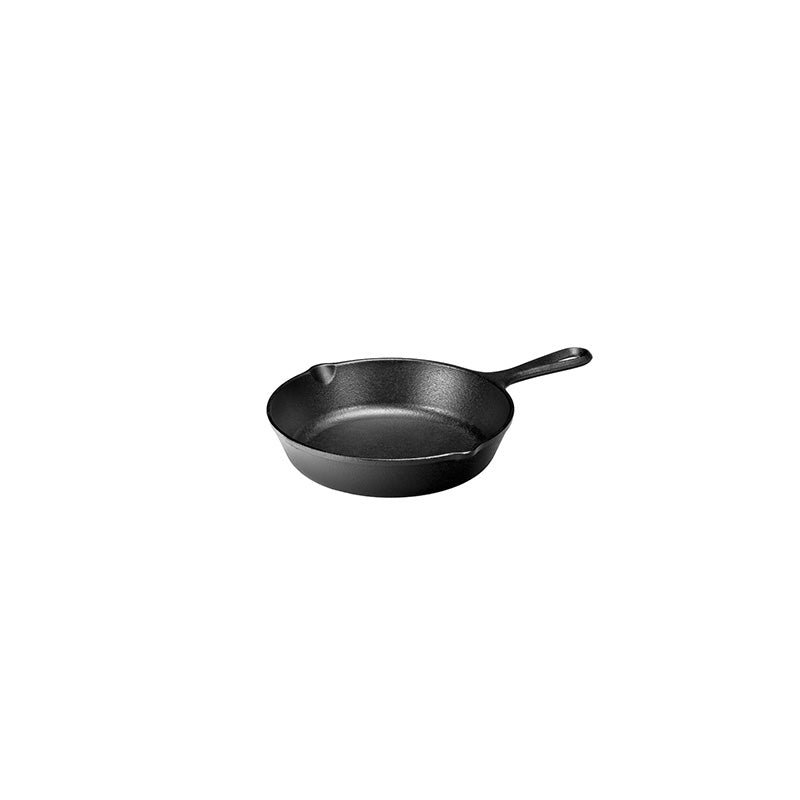
Lodge 8-Inch L5SK3
About 3.44 lb. Easier to store and move. Best for eggs, one-person portions, sides, and a second skillet.
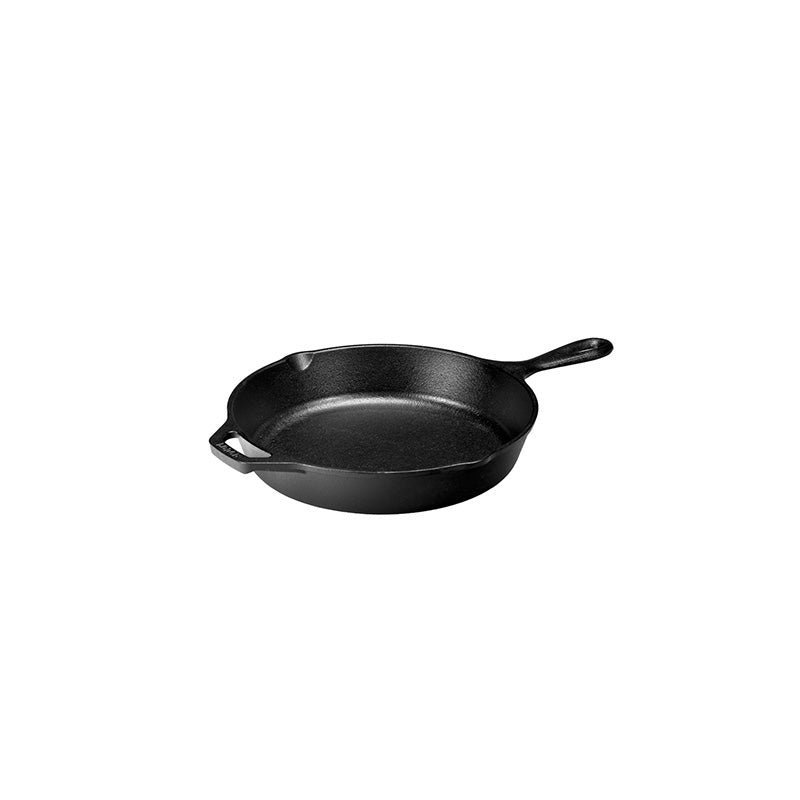
Lodge 10.25-Inch L8SK3
About 5.66 lb. More usable area for complete meals, several portions, and oven-finished skillet dishes.
The comparison at a glance
| Decision point | Lodge 8-inch | Lodge 10.25-inch | Winner |
|---|---|---|---|
| Solo portions | Excellent fit | More pan than needed for many tasks | 8-inch |
| Full one-pan meals | Limited | Much more practical | 10.25-inch |
| Weight | About 3.44 lb | About 5.66 lb | 8-inch |
| Storage footprint | Easier | Longer/wider | 8-inch |
| General-purpose flexibility | Good secondary skillet | Better primary skillet | 10.25-inch |
| Material / seasoning | Seasoned cast iron | Seasoned cast iron | Tie |
The Bigger Pan Wins the Moment Dinner Stops Being a Single Portion
Diameter sounds like a small difference until food is in the pan. An 8-inch skillet can be perfect for one or two eggs, a small steak, a grilled sandwich, or a side dish. Once you try to cook several portions at the same time, surface crowding becomes the limit. Browning works best when food has enough contact with the hot surface and enough room for moisture to escape.
The 10.25-inch Lodge gives you substantially more practical space without moving into the bulk of a 12-inch skillet. That makes it easier to cook a couple of chicken thighs, sauté vegetables for two, build a skillet breakfast, or bake cornbread for several portions. For a household looking for one cast-iron pan, this is the stronger size.
Winner: 10.25-inch for meal-size flexibility. The 8-inch only wins when the meal itself is intentionally small.
The 8-Inch Feels Easier Before You Even Turn On the Stove
This is not a minor specification. Lodge lists the 8-inch L5SK3 at about 3.44 pounds and the 10.25-inch L8SK3 at about 5.66 pounds. The difference is more than two pounds before you add food. When you lift the skillet into an oven, carry it to the sink, or tip food onto a plate, that gap is immediately relevant.
Both pans include a helper handle, but the smaller skillet is simply easier to move. That can make it a better everyday tool for someone with limited wrist strength or anyone who dislikes wrestling heavy cookware in a small sink.
Winner: 8-inch. If handling comfort is your top priority, it can be the better purchase even if the larger skillet offers more cooking area.
The Smaller Skillet Is Easier to Store, but That Is Only Half the Decision
The 8-inch pan is easier to fit in a narrow cabinet, shallow oven drawer, or compact sink. Its shorter overall footprint also makes it more plausible to leave on a small stovetop when cabinet storage is limited. The 10.25-inch pan is still reasonable by cast-iron standards, but its roughly 16.12-inch overall length makes the handle part of the storage equation.
Storage is also about stacking. A heavy cast-iron skillet can sit on other robust cookware, but you should avoid grinding it against delicate nonstick or enamel surfaces. A pan protector or separate shelf can be necessary, which means the “storage footprint” may be larger than the raw diameter suggests.
Winner: 8-inch for truly tight kitchens.
The 10.25-Inch Earns Its Space by Replacing More Other Pans
Both skillets share the core cast-iron strengths: they come seasoned with vegetable oil and can be used on common stovetops—including induction—as well as in the oven, on a grill, or over a campfire. The material is not the differentiator. Capacity is.
The 10.25-inch pan is easier to treat as a default skillet because it can handle small tasks and scale to a larger dinner. You can fry a single egg in it, even if that is not the most efficient use of the surface. The reverse is not true: an 8-inch skillet cannot expand when you want to brown several pieces of food without crowding.
Winner: 10.25-inch if you want one cast-iron skillet rather than a secondary specialty pan.
The Smaller Pan Feels Quicker, but Cast Iron Still Wants Patience
Both pans are cast iron, so neither is a rapid-response pan in the way thin aluminum can be. The smaller skillet has less mass, which generally makes it easier to bring up to cooking temperature and easier to cool afterward. The larger pan holds more thermal energy once heated, which can be useful when a bigger batch of cool food enters the pan.
This is a use-case trade. A small breakfast or single sandwich does not need a large thermal reservoir. A bigger batch benefits from the larger surface and mass. The question is not which property is “better,” but whether the food you cook needs stored heat or fast handling.
Cleanup Is Where the Size Difference Becomes Impossible to Ignore
Lodge’s standard care routine is similar for both: hand wash, dry promptly, and add a light layer of oil as needed. The difference is physical. The 8-inch pan is easier to rotate under a small faucet and easier to hold while wiping and drying. The 10.25-inch pan occupies more of a compact basin and becomes heavier when wet.
If you have a dishwasher-centric routine and dislike hand washing cookware, both sizes have the same fundamental mismatch. The smaller skillet reduces the hassle, but it does not remove the maintenance model.

Where the 8-inch Lodge clearly wins
Solo breakfast: eggs, one sandwich, a small portion of potatoes, or a single serving does not need a large skillet.
Side dishes: the 8-inch works well as a second pan while another dish occupies the main burner or oven.
Small ovens and compact storage: shorter dimensions and lower weight make ownership easier.
People sensitive to cast-iron weight: two-plus pounds of difference is meaningful every time the pan moves.
Where the 10.25-inch Lodge clearly wins
One-pan dinners: more surface area lets you cook several components without crowding as quickly.
Searing multiple portions: space around the food makes browning more practical.
Baking and skillet meals: cornbread, baked pasta-style dishes, frittatas, and oven finishes benefit from the larger vessel.
Buying only one cast-iron skillet: the bigger size covers more situations before you need another pan.
Shared ownership reality: both require seasoning care
Neither pan has a conventional synthetic nonstick coating. The cooking surface is seasoned cast iron, which improves and changes through use. That is a benefit for long-term durability, but it also means the owner participates in maintenance. The surface should be kept dry, and occasional oiling is part of the routine.
If that sounds satisfying rather than annoying, either size can be a long-lived kitchen tool. If you want cookware you can soak indefinitely or put through a dishwasher, size is not the real decision—you should choose a different material.
Which size fits which household?
| Cooking pattern | Better pick | Why |
|---|---|---|
| One person, small meals | 8-inch | Less weight and wasted surface |
| Couple, mixed meals | 10.25-inch | Enough room for multiple portions |
| Small family | 10.25-inch | More practical as a primary skillet |
| Second cast-iron pan | 8-inch | Complements a larger skillet |
| Very limited storage | 8-inch | Smaller footprint |
| Only one skillet planned | 10.25-inch | Broader range of tasks |
What about a 12-inch skillet?
If you regularly cook for three or four people, the decision may not stop at 10.25 inches. A 12-inch cast-iron skillet provides more surface area for large batches, but it also increases weight and storage demand. In a small kitchen, the 10.25-inch Lodge is often the more balanced “primary pan” because it expands beyond solo portions without becoming as cumbersome as larger cast iron.
That said, a household that routinely cooks large family meals may be happier accepting the extra weight of a 12-inch pan than running two batches in a smaller one. Capacity should follow your normal dinner, not an abstract small-kitchen ideal.
Neither pan is best if these are your priorities
If you need effortless one-handed tossing, choose lighter cookware. If you cook long acidic sauces frequently, stainless steel or enameled cast iron can be easier to live with. If you want factory-style nonstick performance with almost no seasoning learning curve, a coated skillet may be a better tool. And if dishwasher compatibility is non-negotiable, traditional seasoned cast iron is the wrong category.
Final decision: 8-inch or 10.25-inch?
Choose the 8-inch Lodge if you cook solo portions, want a small second skillet, or care more about weight and storage than maximum meal flexibility. It is the easier cast-iron pan to own in a truly tight kitchen.
Choose the 10.25-inch Lodge if this will be your main cast-iron skillet. It gives you more room for a complete meal and several portions while staying smaller than a 12-inch workhorse. For most couples and small households, it is the more versatile single purchase.
See the Lodge 8-Inch Skillet on Amazon | See the Lodge 10.25-Inch Skillet on Amazon
Questions That Decide the Size
Is an 8-inch cast-iron skillet big enough for two people?
It can handle some two-person tasks, but it is easy to crowd when cooking a full main course. The 10.25-inch size is usually more flexible for two people.
How much heavier is the 10.25-inch Lodge?
Lodge lists the 8-inch L5SK3 at about 3.44 pounds and the 10.25-inch L8SK3 at about 5.66 pounds, a difference of roughly 2.2 pounds before food.
Can both skillets go in the oven?
Yes. Lodge lists both seasoned cast-iron skillets for stovetop and oven use, along with grill and campfire use.
Do both work on induction?
Yes. Cast iron is compatible with induction cooktops, and Lodge lists induction among the supported stovetop types.
The Smaller Pan Wins the Ownership Test More Often Than the Cooking Test
The 8-inch Lodge is easier to lift, easier to wash in a tight sink, and easier to fit into a crowded cabinet. Those advantages show up before and after cooking. The 10.25-inch wins more often while food is actually in the pan because the larger cooking surface accommodates more ingredients without crowding.
That split explains why this comparison is harder than it looks. One pan is easier to own; the other is easier to rely on as a main skillet. The right choice depends on which kind of friction matters more in your kitchen.
Cooking for One Does Not Automatically Mean 8 Inches
Household size is useful, but meal type matters more. One person who cooks a single egg, small omelet, or side dish can be happy with an 8-inch skillet. One person who meal-preps vegetables, sears a larger piece of meat, or wants leftovers may fill the smaller surface quickly.
Likewise, two people do not always need the larger pan if it is mainly used for breakfast sides or reheating. Think about the footprint of the food, not just the number of people eating it.
Food Crowding Is the Hidden Reason the Bigger Pan Feels More Forgiving
When ingredients are packed tightly together, moisture has less room to escape and it becomes harder to maintain distinct hot contact zones. The 10.25-inch pan gives you more surface area to spread food out. That can matter more than a few inches sound like on paper.
The 8-inch is not “too small”; it is simply more specialized. It works best when the quantity matches the surface. Overloading it turns a light, convenient skillet into a pan that requires batches—at which point the ownership advantage starts to shrink.
The Weight Difference Is More Than a Number on a Spec Sheet
The listed difference between roughly 3.44 pounds and 5.66 pounds is about 2.2 pounds before food. That gap affects one-handed lifting, tilting to pour, moving the pan to the oven, and washing it over a sink. It can also affect where you store the skillet safely.
If you have limited grip strength, wrist discomfort, or high shelves, the lighter pan deserves more weight in the decision than a generic “versatility” score. A pan cannot be versatile for you if its handling makes you avoid using it.
Owning Both Sizes Can Make Sense—but Not for the Reason a Collector Would Give
The two pans are complementary when they have distinct jobs. The 8-inch can handle small portions, eggs, sides, and tasks where fast cleanup matters. The 10.25-inch can handle main-course quantities and meals that need more room. That division can reduce unnecessary heating and washing when the smaller pan is genuinely enough.
Owning both makes less sense when the 8-inch is simply a backup you never reach for. In a small kitchen, “different size” is not enough justification. Each pan should have a repeated task.
Small Sink, Small Burner, Small Cabinet—Three Different Constraints
A compact kitchen can be limited in several ways. A small sink makes the 8-inch easier to clean. A small burner may favor cookware that matches its heating zone more closely. A shallow cabinet or narrow drawer can make handle length and pan diameter the deciding issue. Those constraints are independent.
Measure the place the pan will be washed and stored, not only the stovetop. A skillet spends more time off the burner than on it.
If You Mostly Cook Delicate Foods, Neither Size Solves the Material Question
Choosing between 8 and 10.25 inches does not change how cast iron behaves. Both rely on seasoning, both hold heat, and both require hand care. If your main priority is effortless release for delicate foods with minimal technique or maintenance, a different pan material may suit you better.
This is important because size comparisons can distract from the more fundamental decision: whether you want cast iron at all.
The One Question That Usually Breaks the Tie
Ask which failure would annoy you more: needing a second batch because the pan is too small, or handling extra weight every single time because the pan is larger than the task. If batch cooking would frustrate you, the 10.25-inch is usually the safer main-pan choice. If lifting and cleanup are the friction you notice most, the 8-inch may deliver more everyday satisfaction.
That question is more useful than declaring one universal winner because it connects the size directly to the inconvenience you are trying to avoid.
Choose by Scenario, Not by a Universal Winner
One person, quick breakfasts, limited storage: the 8-inch has a strong case. It is easier to move and clean, and the smaller surface is not a disadvantage when the food fits comfortably.
One person who meal-preps or wants leftovers: the 10.25-inch becomes more useful because the extra area reduces crowding and batch cooking. Household size alone would have pointed to the wrong pan.
Two people using one cast-iron skillet as a main pan: the 10.25-inch is usually the more flexible choice. It asks more from your wrist but handles a wider range of meal quantities.
Limited hand strength or a very small sink: the 8-inch may be the better daily tool even if you occasionally need a second batch. Ease of ownership can outweigh theoretical versatility.
The Price Difference Matters Less Than Buying the Wrong Size
These skillets are long-lived tools when cared for properly, so the larger cost is not usually the difference at checkout. The larger cost is owning a pan that is inconvenient enough to sit unused. A cheaper skillet that does not fit your meals is poor value; a larger one that feels burdensome every time you lift it is also poor value.
That is why the decision should be based on the friction you expect to repeat for years: crowding food or handling weight.
If You Have Room for Only One, Think About the Largest Normal Meal
Do not size the pan for a rare holiday breakfast or the smallest snack you cook. Think about the largest meal you make on an ordinary weeknight. If that meal fits the 10.25-inch comfortably and would crowd the 8-inch, the bigger skillet earns its space. If your normal meals are small enough that the extra area mostly sits empty, the 8-inch can be the more rational tool.
This “largest normal meal” test is a useful way to avoid buying cookware for imaginary edge cases.
The Fastest Decision Shortcut
If you are still stuck, ignore diameter for a moment and imagine washing the pan after a normal dinner. If the extra 2.2 pounds of the 10.25-inch feels like a burden you would notice every time, the 8-inch has a real advantage. If needing a second cooking batch would annoy you more than the extra weight, the larger skillet is the more practical one-pan choice.
One More Reason Not to Overbuy
The 10.25-inch is the more flexible main skillet, but that does not mean bigger is automatically better. If your normal meals fit comfortably in the 8-inch, the larger pan makes every wash and lift harder for unused capacity. Conversely, if you routinely crowd the 8-inch, saving weight only to cook in batches can be the more annoying compromise.
Bottom line: the 8-inch is easier to own; the 10.25-inch is easier to rely on as a main skillet. Choose which advantage matters more in your routine.
If both sizes fit your stove and cabinet, the tie-breaker is repeated inconvenience: extra batches with the 8-inch versus extra weight with the 10.25-inch. Choose the annoyance you would rather avoid most often.
That makes the choice less about which pan is “better” and more about which compromise you want to live with repeatedly.
What This Comparison Is Based On
NookPrep did not perform hands-on testing for this comparison. We used Lodge’s current specifications for the L5SK3 and L8SK3, including dimensions, listed weights, seasoning and care guidance, cooking compatibility, and exact Amazon product identities: B00008GKDG for the 8-inch skillet and B00006JSUA for the 10.25-inch skillet.
If You Chose a Size, Here Is the Next Decision
If you have settled on the larger pan and want the complete ownership picture, read our Lodge 10.25-Inch Skillet review. If the pan decision is solved and your next storage problem is baking sheets, see the Nordic Ware Naturals Baker’s Half Sheet review.
1 thought on “The Smaller Lodge Is Easier to Own. So Why Does the 10.25-Inch Usually Win?”
Comments are closed.