
Rice Cooker Cup Size — The Small Mix-Up That Can Ruin Dinner
· NookPrep Editorial Team

Lost the little cup that came with your rice cooker? Grabbing a regular measuring cup can quietly change how much rice goes into the pot while you still fill to the same water line. Before changing the recipe—or blaming the cooker—check what “one cup” means for your machine.
Many rice cookers use a 180 mL rice cup. That is smaller than a conventional kitchen measuring cup. Confirm your model’s instructions, then keep the rice measure and the bowl’s water-line system matched.
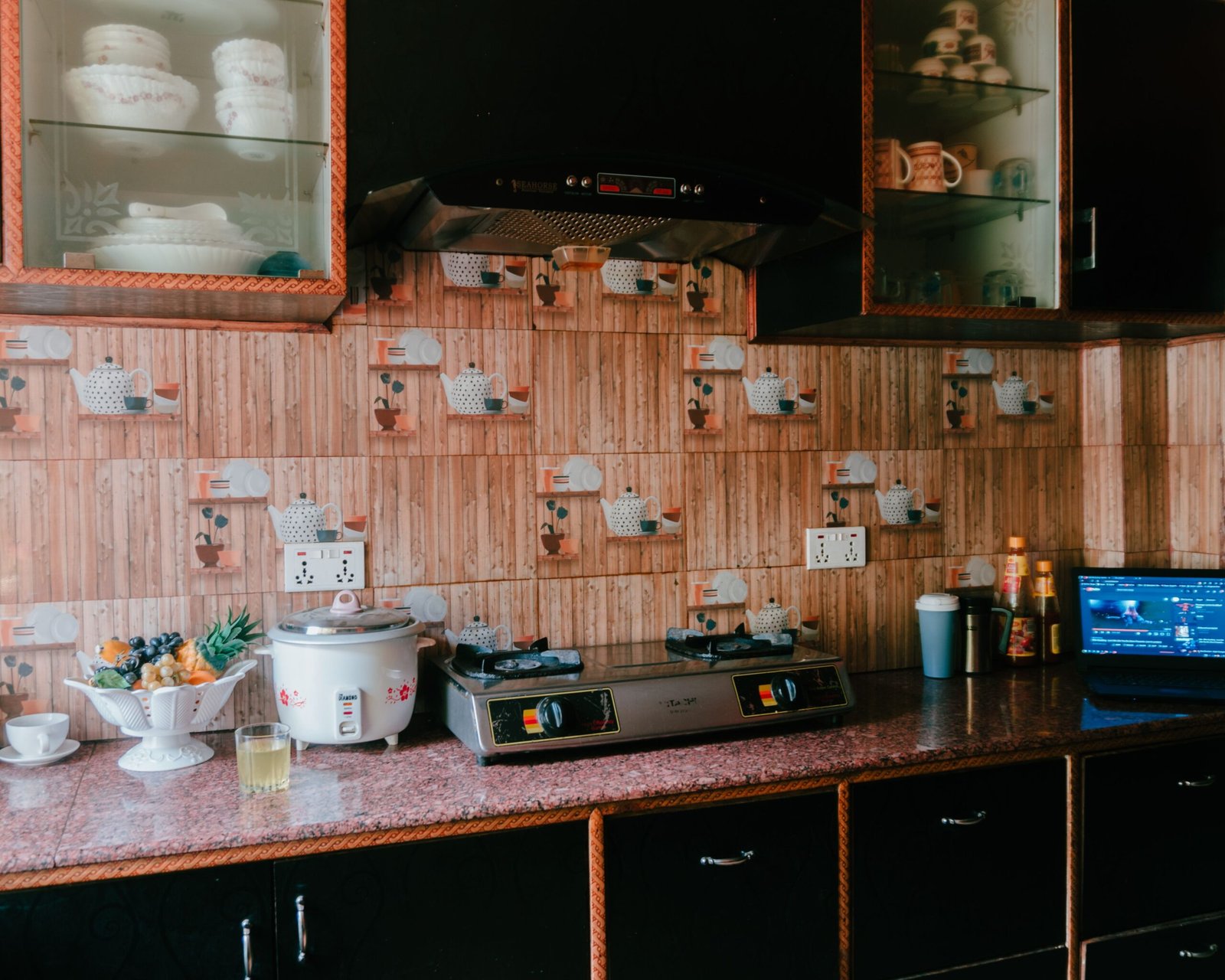
What size is a rice cooker cup?
Aroma identifies its standard rice measure as 180 mL. Yum Asia also explains that its rice-cooker measuring cups use a 180 mL capacity, filled level to the brim. These are useful manufacturer examples, not proof that every appliance sold as a rice cooker uses the same measure. Aroma cup-size guide, Yum Asia capacity guide.
The safest replacement is a measure that matches the volume specified for your exact cooker. Do not decide by the cup’s appearance or by the largest number printed on its side.
Use this conversion table only for a 180 mL rice cup
| Number of rice cups | Volume of dry rice |
|---|---|
| ½ | 90 mL |
| 1 | 180 mL |
| 1½ | 270 mL |
| 2 | 360 mL |
| 3 | 540 mL |
These are arithmetic conversions, not water recommendations or approved cooking capacities. Your machine may have a minimum batch size or a different maximum for a particular grain.
For another perspective, a vessel marked 240 mL holds one-third more volume than a 180 mL rice cup. A 250 mL vessel holds about 39% more. That difference is why replacing the scoop without changing anything else can matter.
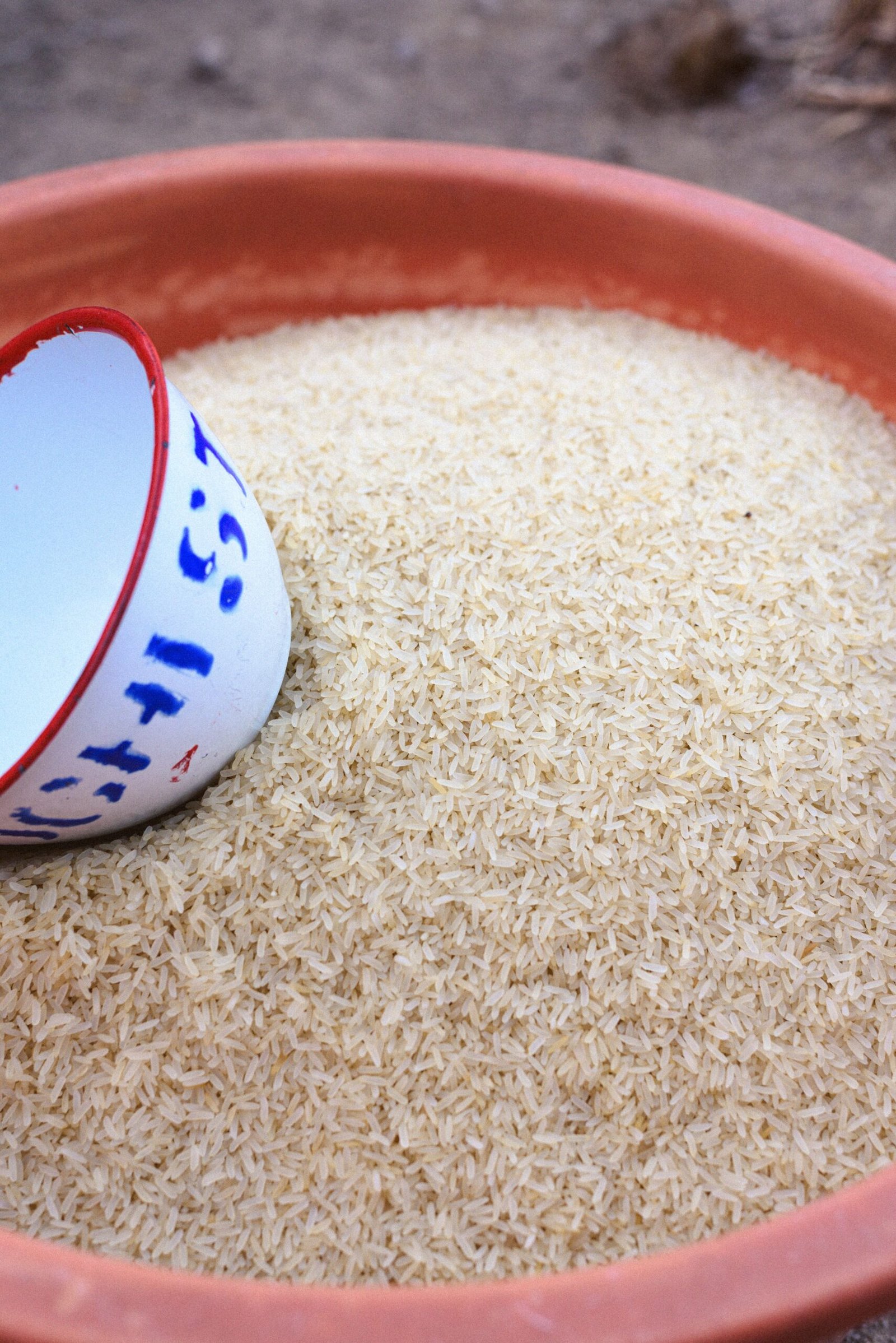
Is three-quarters of a regular cup close enough?
Aroma suggests a three-quarter US measuring cup as a replacement. Treat that as a practical approximation: household measuring-cup conventions vary, and a 240 mL marked cup and a 250 mL metric cup are not identical. For the clearest result, measure the manufacturer-specified volume directly in milliliters. Aroma’s replacement guidance.
For example, three-quarters of a 240 mL vessel is 180 mL. Three-quarters of a 250 mL vessel is 187.5 mL. You do not need to turn dinner into a laboratory exercise, but you do need to know which container you are using.
Write the required volume on a small note near your cooker if multiple people prepare rice. A shared, clear measure is more useful than everyone remembering a slightly different version of “about a cup.”
The line in the pot is not a separate cup of water
With a manufacturer’s water-line method, the amount of measured rice and the corresponding line work together. Aroma, for example, instructs users to add the measured rice and then water to the matching numbered line. It does not describe that line as an instruction to add the same number of separate cups of water. Aroma’s water-line explanation.
Follow the instructions for the correct rice type and cooking mode. If the bowl has several scales, do not choose a line simply because its number matches your scoop count.
A useful routine is:
- Confirm the specified rice-cup volume.
- Measure dry rice consistently.
- Rinse or otherwise prepare it as the manual directs.
- Put it in the cooking bowl and use the correct water instructions.
- Select the appropriate program and stay within its capacity limits.
This keeps the measuring method coherent. It is not a universal recipe for every grain or cooker.
Why your cup may show 160 mL even though it holds more
Check whether you are looking at a scale marking or the cup’s full capacity. Yum Asia explains that its cup markings can stop at 160 mL even though a level fill to the brim measures 180 mL. Do not automatically stop at the highest printed line if your own manufacturer specifies a level brimful cup. Yum Asia measuring-cup explanation.
If the cup is unmarked and its origin is uncertain, do not assume it belongs to your cooker. Find the model number and look up the supplied instructions before using it to calibrate the meal.
Milliliters and grams answer different questions
A 180 mL cup measures volume. It does not mean that every variety of dry rice in that cup weighs 180 grams. Grain type and condition can change the mass occupying the same space; Yum Asia discusses this distinction in its capacity guidance. Why rice volume and weight differ.
If your recipe specifies grams, use the recipe’s weight-based method. If your cooker tells you to use its scoop and bowl lines, use that system. Avoid taking the rice amount from one method and the water instruction from another without a clear basis.
There is no need to publish or memorize a single “grams per rice cup” number for all rice. Knowing when a conversion is not universal is part of measuring correctly.
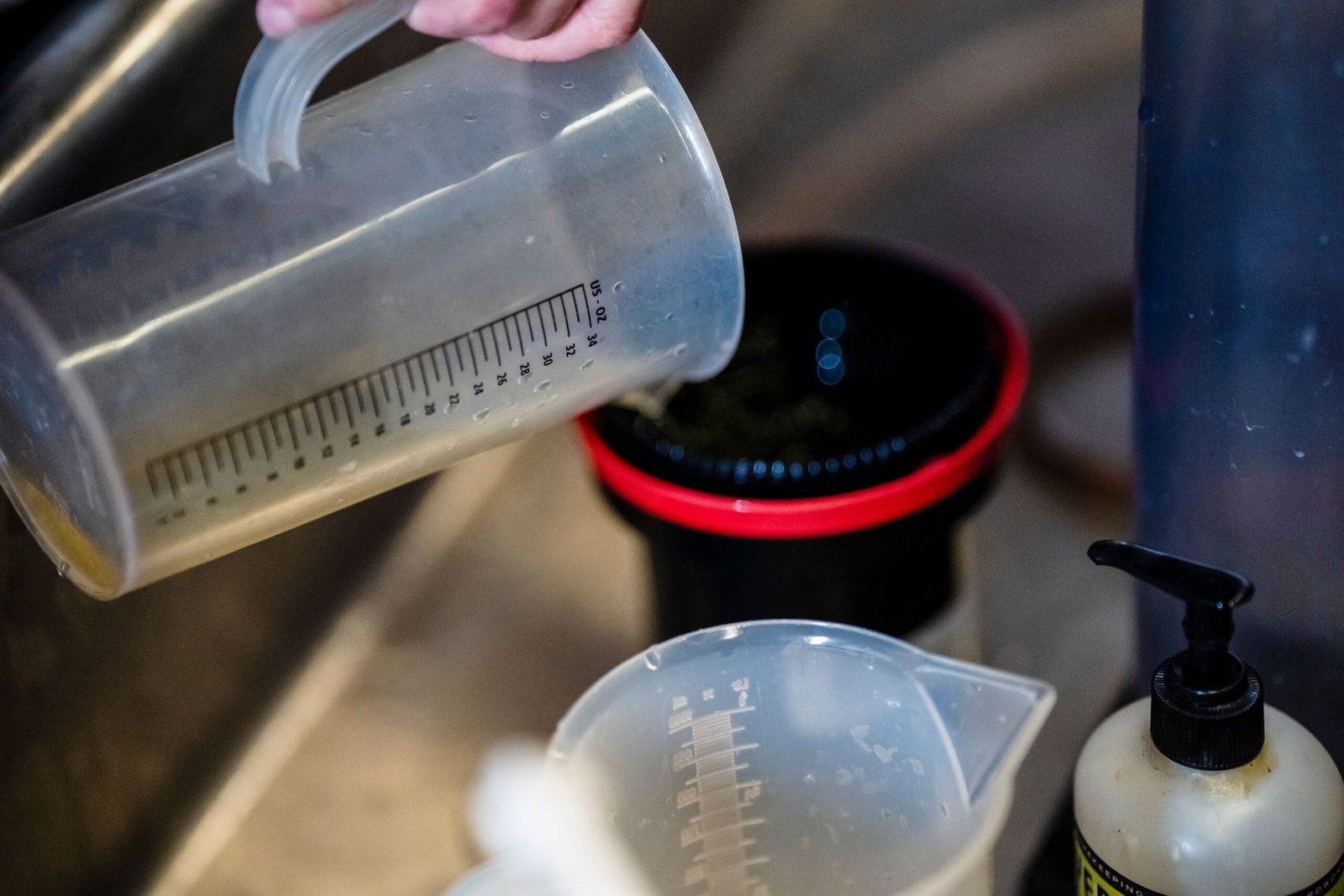
Cup size is different from cooker size
When shopping, distinguish the measuring cup from the advertised cooking capacity. Check whether the capacity refers to uncooked rice or cooked yield. Those labels are not interchangeable.
This article solves the measurement question. If your question is how much food a small cooker should make, continue to our 2-cup versus 3-cup rice cooker guide. For individual options, see the mini rice cooker shortlist.
Before replacing a machine that seems too small, verify its capacity definition. Before replacing one that cooks inconsistently, check the cup and water method. These checks address different problems and can prevent an unnecessary purchase.
If the rice still comes out wrong
Correct measurement removes one possible source of error; it does not guarantee perfect results. Check the rice type, chosen program, permitted batch size, and any preparation instructions before changing the water amount.
Make one adjustment at a time and record it. If you replace the cup, change the grain, and alter the water simultaneously, you will have little idea which change helped.
For a repeated problem despite following the manual, use the manufacturer’s troubleshooting guidance. Do not keep increasing the batch or improvising beyond the cooker’s stated limits.
The answer to remember
Confirm the cup volume, keep it matched to the cooker’s water instructions, and distinguish dry-rice measurement from cooked capacity. If your manual specifies 180 mL, measure 180 mL—not whichever “cup” happens to be nearest.
Evidence note: Manufacturer examples were checked for this guide. The table and percentage comparisons are calculated from the stated volumes; they are not tested recipes or a guarantee of cooking results.
1 thought on “Rice Cooker Cup Size — The Small Mix-Up That Can Ruin Dinner”
Comments are closed.