
Immersion Blender vs Hand Mixer — One Won’t Do the Other’s Job
· NookPrep Editorial Team
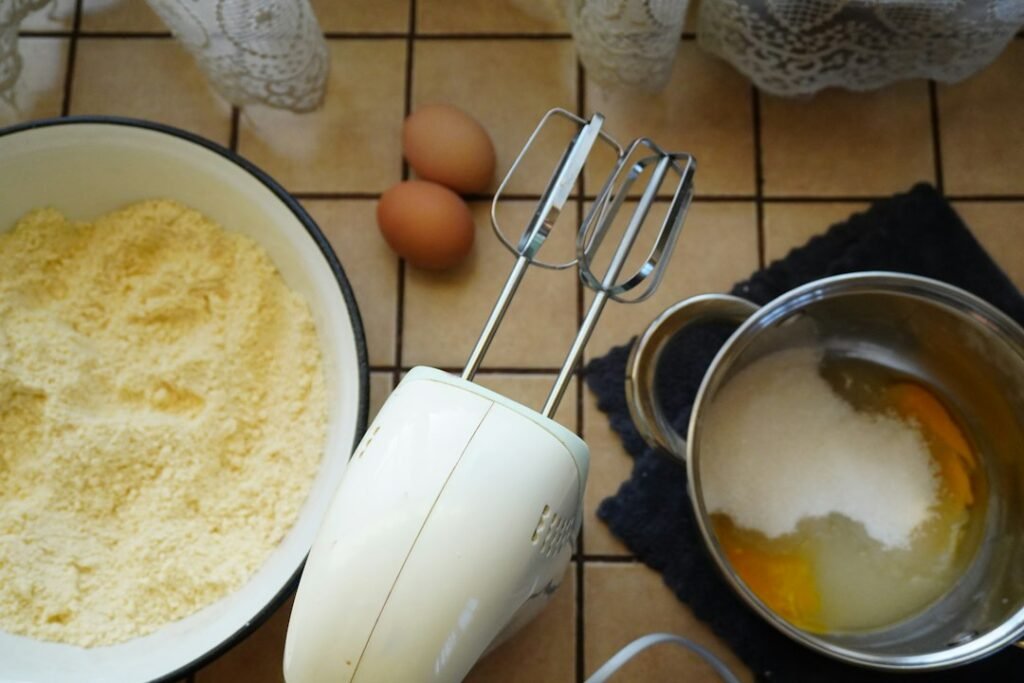
One handheld appliance can turn vegetables into a smooth soup. Another can help make a light frosting. They may fit in the same drawer, but buying one because it looks smaller than the other can leave you with the wrong tool for dinner—or dessert.
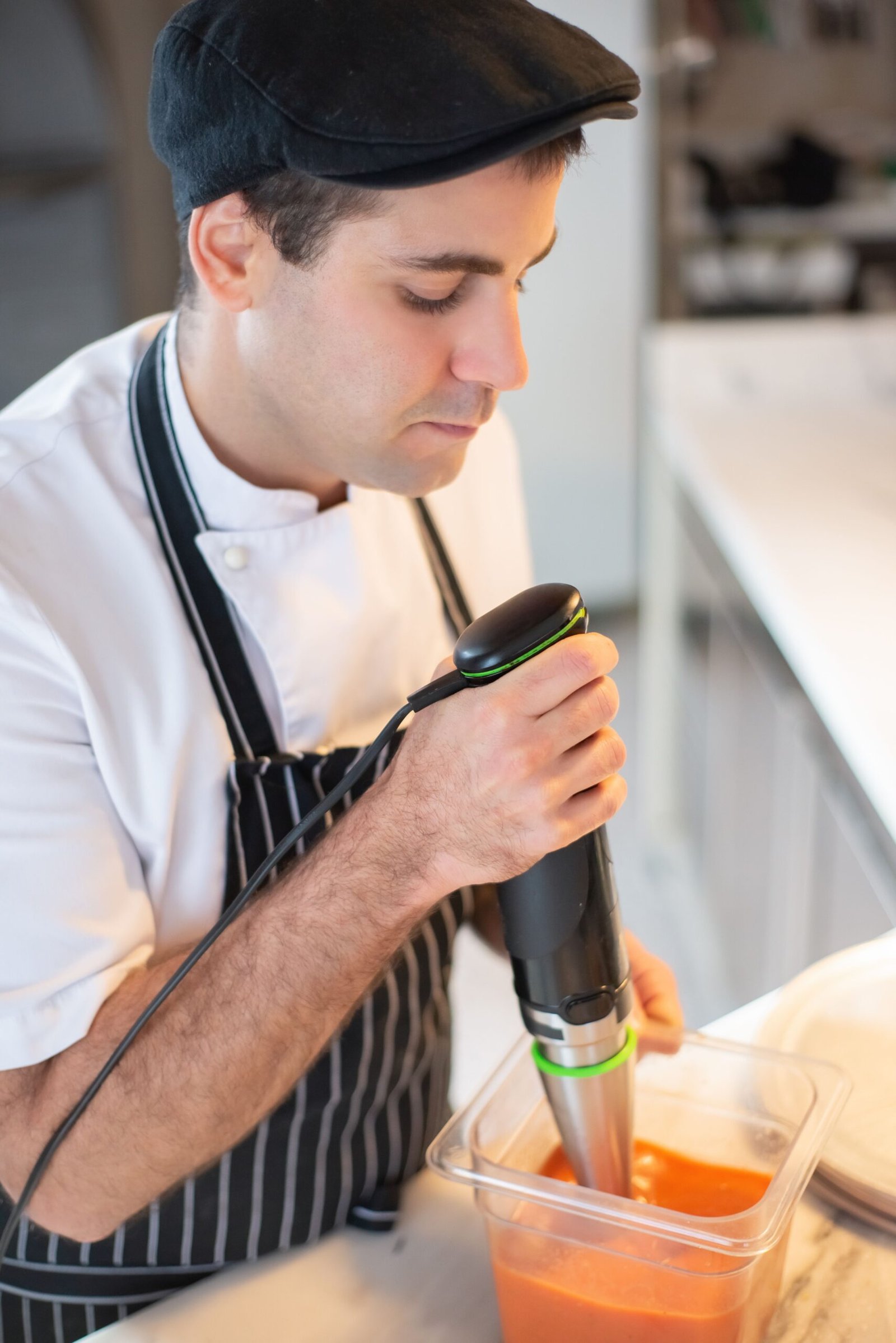
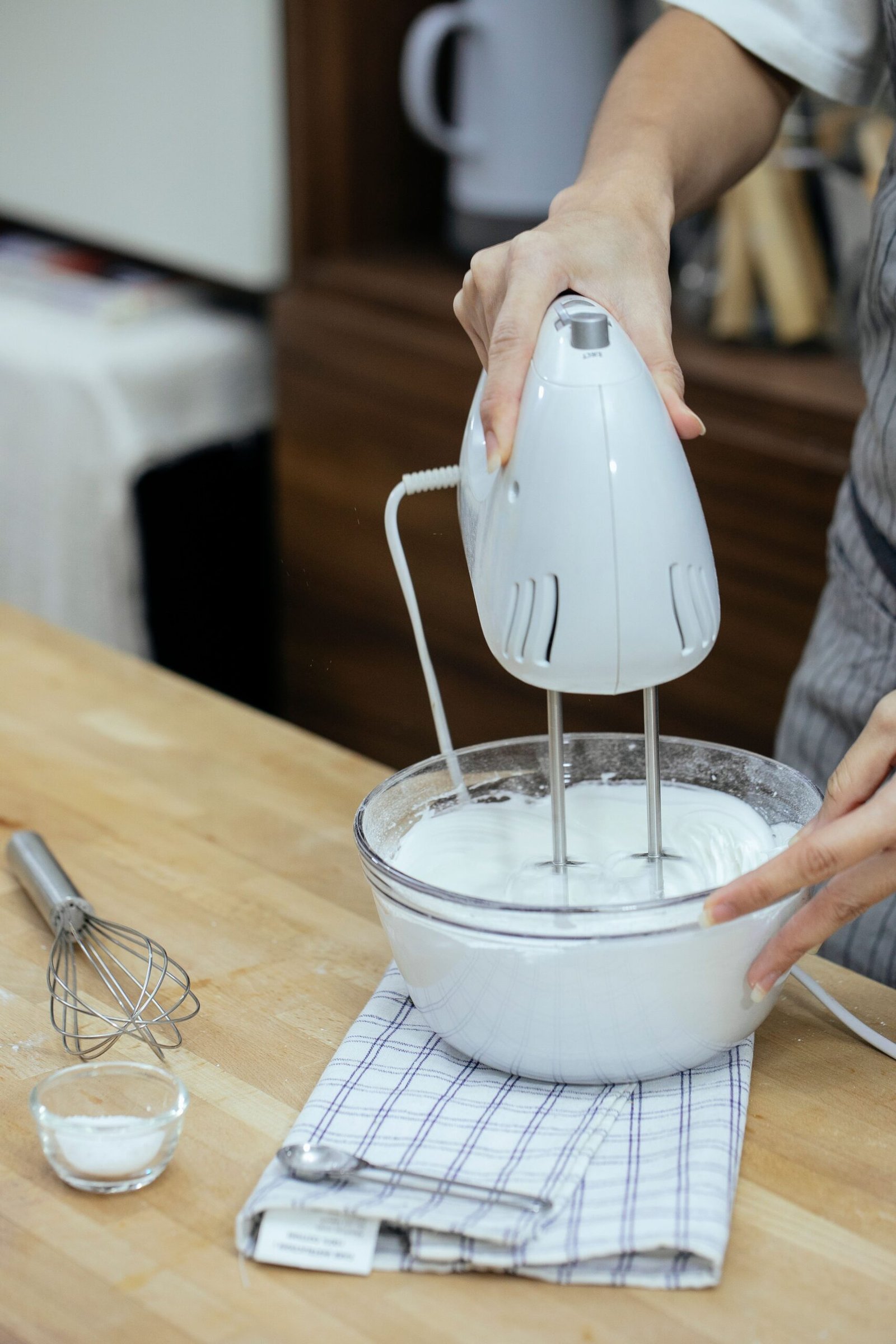
Choose an immersion blender when you need a blade to blend or purée. Choose a hand mixer when you need beaters or a whisk to mix and incorporate air. Attachments can expand either tool’s abilities, but compare the attachment actually included in the package you are buying.
The working end matters more than the handle
KitchenAid distinguishes a hand mixer’s beaters or whisk from the blades on an immersion blender. Its guide also explains why mixing ingredients and cutting them into a purée are not interchangeable operations. KitchenAid’s hand mixer and immersion blender comparison.
Use this as the starting point:
| Your main task | Tool to investigate first | Important qualification |
|---|---|---|
| Blend a soup into a purée | Immersion blender | Follow temperature, vessel, and operating instructions |
| Mix a cake batter or frosting | Hand mixer | Check the recipe, attachment, and batch limit |
| Whip cream | Hand mixer with suitable beaters or whisk | A blender whisk attachment is a separate comparison |
| Blend a sauce in a suitable vessel | Immersion blender | Confirm ingredients and minimum working depth |
| Work a heavy dough | A machine explicitly rated for that task | Do not assume either basic handheld tool is suitable |
The distinction sounds simple. Shopping pages become confusing when they describe the motor body and a whole accessory bundle as though every version includes the same tools.
When an immersion blender makes more sense
Imagine your regular cooking includes soups and sauces that you want smooth. You would like to work in an approved pot or vessel without building your routine around a countertop blender jug.
An immersion blender is the more relevant category to investigate. Before buying, check the intended vessel, approved temperatures, working depth, and instructions for protecting cookware. A model’s shape and permitted uses matter more than a generic claim that it can “blend anything.”
Also consider handling. Can you comfortably reach the controls? Where would the appliance rest between steps? How will you detach and clean the permitted parts? Do not assume every component can be submerged or put in a dishwasher.
Our recommendation is to choose around your most frequent mixture and vessel. A compact motor body does not guarantee a convenient setup if its shaft, accessories, or storage arrangement do not suit your kitchen.
When a hand mixer makes more sense
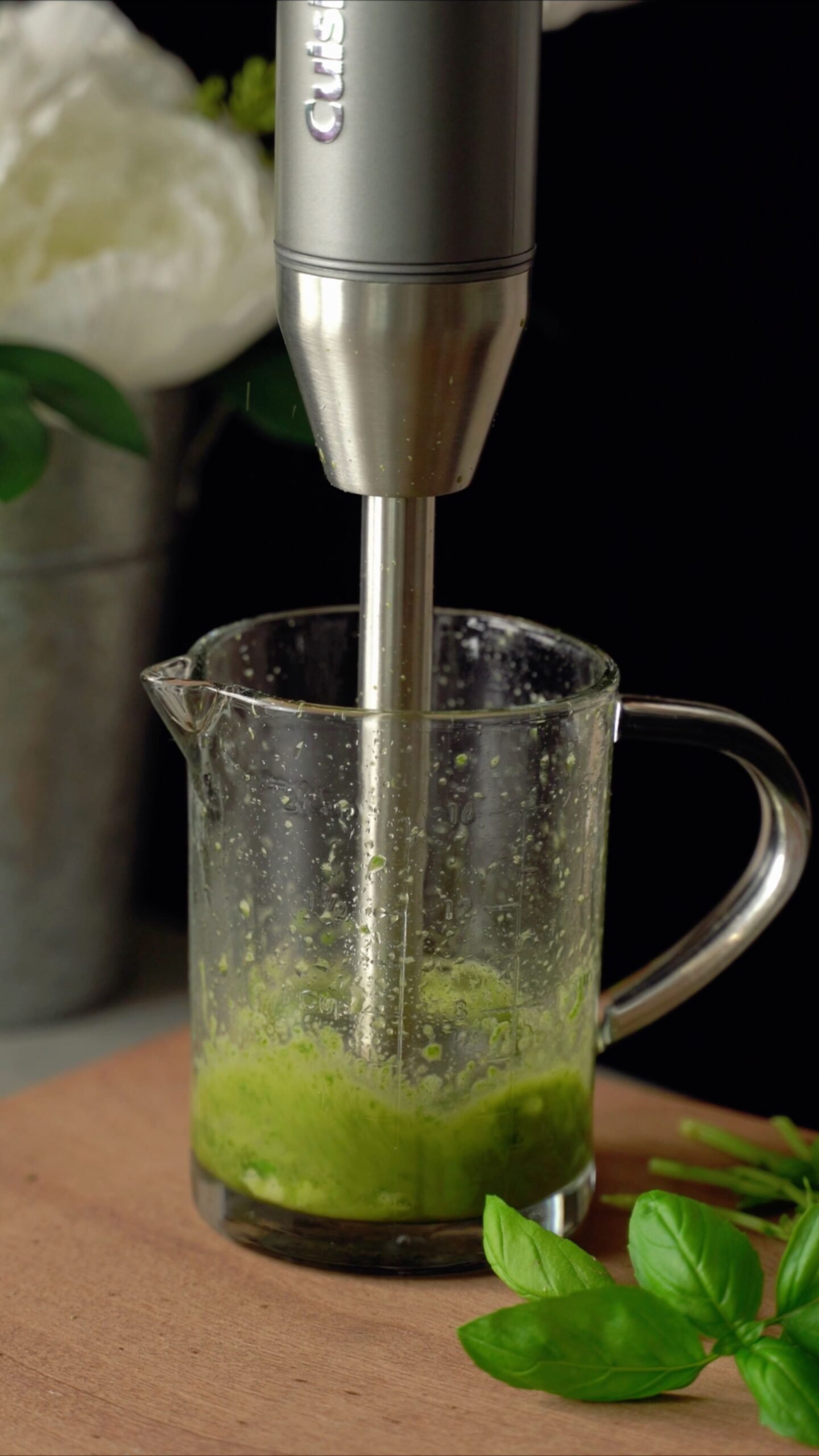
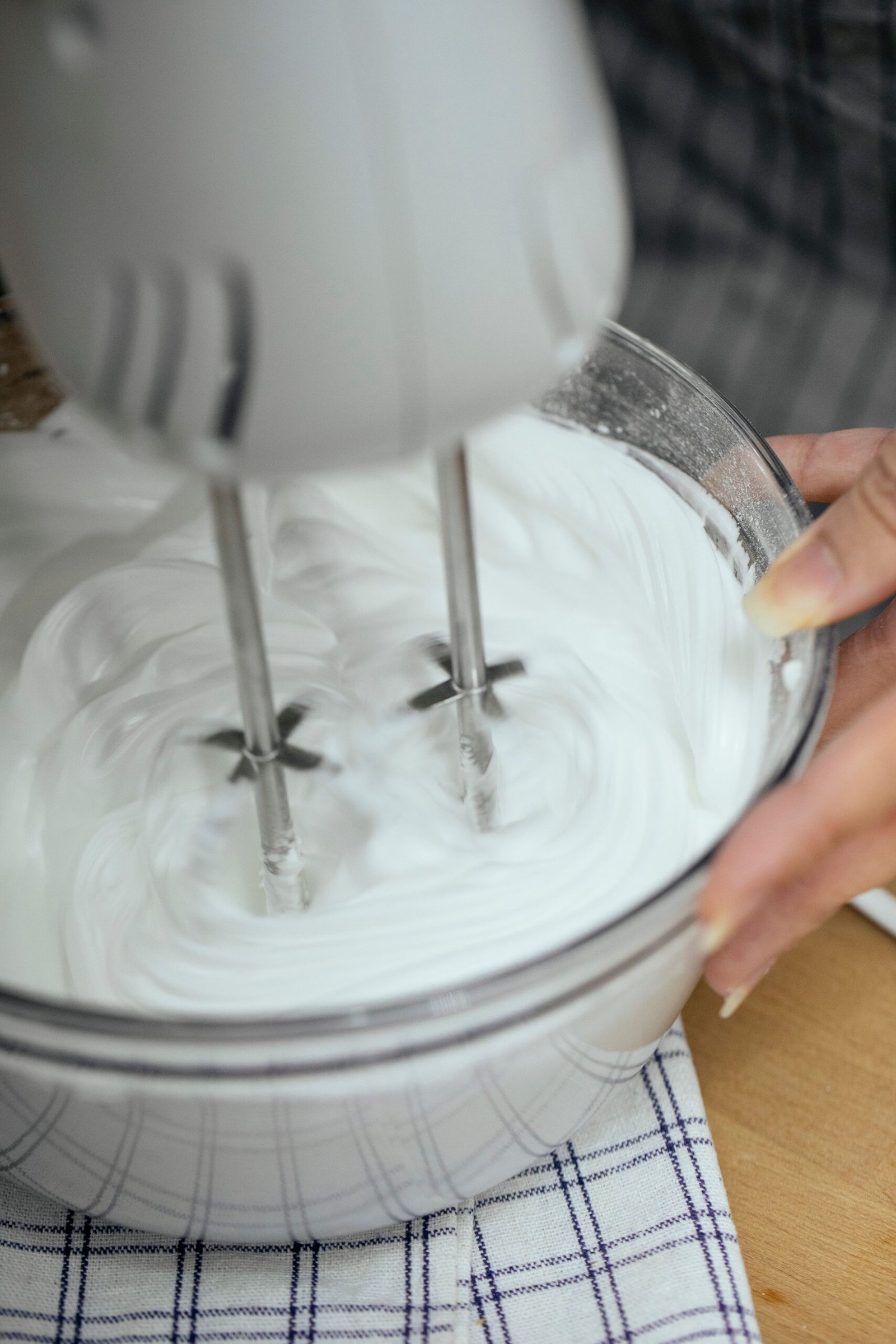
If your list is dominated by batters, frosting, and whipping, investigate a hand mixer first. The useful question is which attachment and speed range suit the recipes you already make.
Consider the whole bowl setup, not just the tool. Will your usual bowl fit comfortably on your work surface while you operate the mixer? Is there room to add ingredients? Is the storage arrangement convenient enough that you will use it for ordinary baking rather than leave it buried in a cupboard?
Be realistic about demanding recipes. The presence of dough hooks in a bundle does not establish that every dough or batch size is permitted. Read the model’s operating limits before making heavy mixtures the reason for buying.
For someone who bakes occasionally, the right purchase can be the tool that handles a few recurring recipes simply. There is no need to pay for a long list of functions unless those functions solve a real need.
Can a whisk attachment replace a hand mixer?
It may cover some of your particular tasks, but the attachment needs its own evaluation. Compare the intended recipes, permitted quantities, vessel arrangement, and operating instructions. Do not transfer an assumption about a blade attachment to a whisk attachment just because both use the same motor handle.
If you already own an immersion blender, check its exact accessories before purchasing a second appliance. You may have a suitable approved tool for a modest task already. If you do not, establish whether a compatible accessory exists and whether it is a practical alternative.
The reverse applies to hand-mixer bundles with additional attachments. A feature advertised somewhere in a brand’s range does not prove it is included with the model in your cart.
Avoid buying around a one-off recipe
Write down three dishes you make regularly. Next to each, write the action you need: purée, combine, whip, or knead. Then identify the approved tool for that action.
This is a more useful exercise than collecting a list of everything an appliance might theoretically do. If two of your three recurring dishes call for puréeing, that gives you a clear direction. If all three involve baking, a soup demonstration should not dominate your decision.
For a rare task, consider whether a manual tool or equipment you already own is enough. The goal is a smaller collection that supports your actual cooking, not the fewest appliances at any cost.
Small-kitchen storage is more than the appliance body
Lay out every part you would need to keep: shaft, beaters, whisk, beaker, chopper bowl, charger where relevant, and storage case. Check whether the useful configuration still fits your drawer or cupboard.
A bundle can look like good value while creating a collection of parts with no obvious home. Separate essential accessories from interesting extras before comparing offers.
Also check cleaning instructions and replacement-part access. These are practical ownership details, not proof of durability, but they help you compare two otherwise similar packages without relying solely on the power rating.
What about a portable blender or food processor?
If your real priority is a drink in a travel container, a portable blender is another category to investigate. If you want a bowl-based chopping or slicing setup, look at our compact food processor guide.
Neither is automatically a substitute for the tool discussed here. Match the appliance to the food, action, quantity, and container—not just the presence of a motor.
Related buying guides: Portable blenders · Compact food processors
Quick answers
Can a hand mixer purée soup?
Ordinary beaters are not a substitute for a blender blade. Investigate a tool designed and approved for the blending task instead of expecting mixing to produce the same result.
Can an immersion blender handle cake batter?
Do not assume a blade attachment is interchangeable with beaters. Use the recipe’s intended method and the appliance’s approved attachment; cutting ingredients may be an unwanted action.
Which should I buy first?
Buy the one that solves the task you repeat most. If neither task occurs often, keep using an appropriate manual tool until a clearer need emerges.
Our recommendation
Buy the function at the working end: blade for blending, suitable beaters or whisk for mixing and whipping. Check the exact package and limits before deciding an accessory bundle can replace another appliance.
The best handheld tool is the one that performs your normal job comfortably—not the one with the broadest promise on the box.
Evidence note: Manufacturer guidance supports the tool distinctions; the purchase exercises are editorial analysis. This is not a hands-on model comparison, and no particular product, attachment, or performance result is endorsed.