Toaster vs Toaster Oven — Stop Giving Up Counter Space for Two Slices
· NookPrep Editorial Team
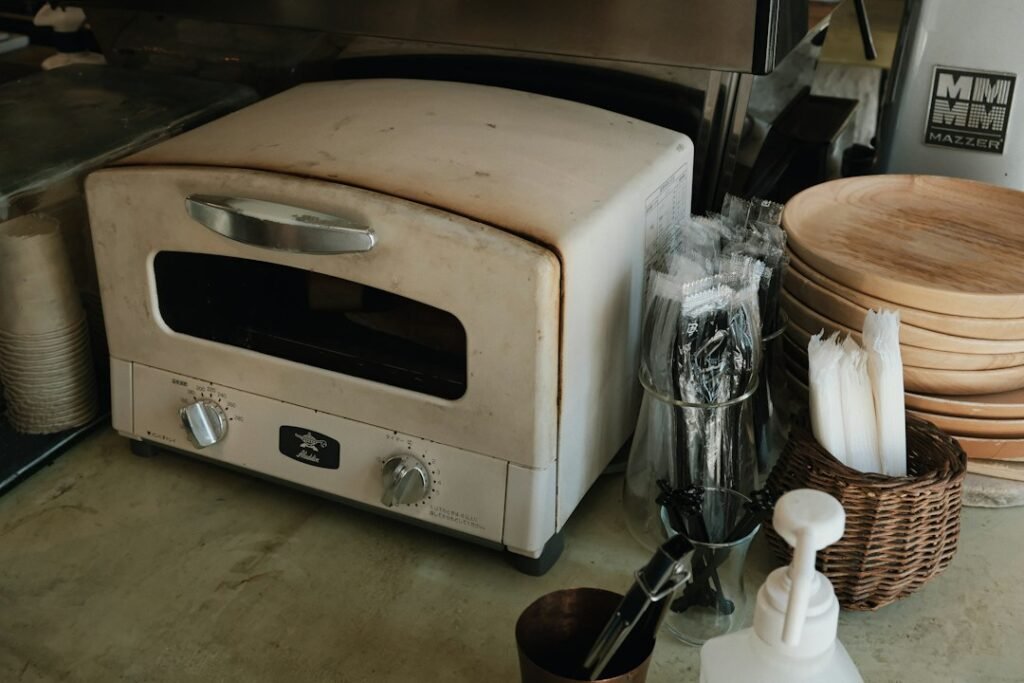
Moving a toaster oven every morning just to make two slices of toast is a bad trade. So is buying a tiny toaster, then discovering it cannot handle the open-faced lunch you actually wanted it for.
The frustration starts when you buy for a long feature list instead of your normal breakfast. Extra functions have value only when they replace a job you already do.
Our recommendation: choose a slot toaster for a routine built around plain bread and bagels. Choose a toaster oven when topped bread, tray-based snacks, or small oven dishes are regular jobs. If your existing oven already handles those jobs comfortably, another countertop oven may solve nothing.
This toaster vs toaster oven comparison starts with what you eat, then checks the space and cleanup each choice requires.
Quick picks by the problem you want to solve
| Your recurring frustration | Start with | Check before buying |
|---|---|---|
| You want everyday toast without another tray to wash | Slot toaster | Your bread fits the slot length and width |
| Your lunch has cheese or other toppings | Toaster oven | Suitable tray, rack position, and cooking function |
| Oversized slices will not fit your current toaster | Long-slot toaster or toaster oven | Actual usable dimensions, not the slice count |
| You want one appliance for toast and small oven dishes | Toaster oven | The dishes you own fit inside |
| Every inch beside the sink is already occupied | Keep the appliance you use most | Full operating space, including access and clearances |
These are category recommendations, not performance rankings of individual machines.
The difference that changes what you can cook
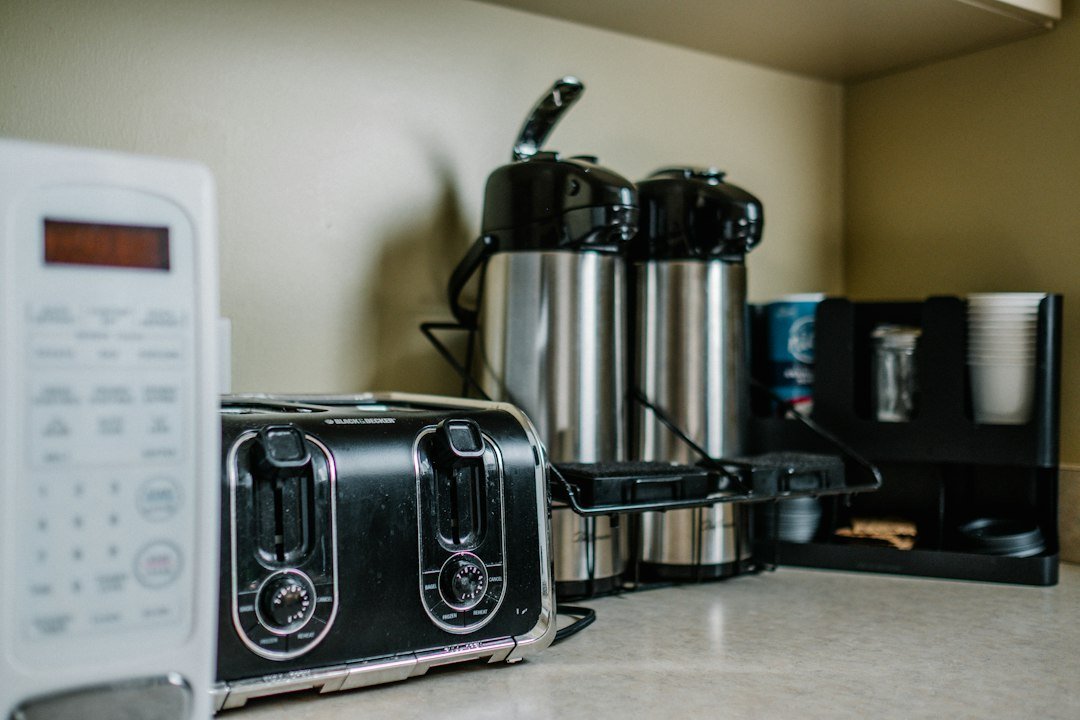
A slot toaster holds bread vertically near heating elements. A toaster oven uses a rack or tray inside a chamber, with functions that may include toasting, baking, and broiling. That layout accommodates foods a slot toaster is not designed for, particularly topped bread. Available functions vary by model. KitchenAid explains the two appliance formats.
The buying consequence is straightforward: make a list of foods, not appliances. “Toast, bagels, toast again” points one way. “Toast, a cheese melt, a small baking dish” points another.
Do not turn the toaster sideways or improvise a way to cook topped food in its slots. Pick equipment designed for the job and follow its instructions.
When a slot toaster is the better buy
Your breakfast is repetitive—and that is useful information
If most mornings involve bread, choosing a specialized appliance can make sense. You do not need to justify it with hypothetical dinner uses. A machine that serves one frequent need can deserve its place more than a versatile appliance you rarely use.
Check the bread you buy most often. “Two slices” does not tell you whether an irregular sourdough slice or thick bagel will fit. Measure a representative slice and compare it with the manufacturer’s usable slot dimensions when available. If those dimensions are missing, do not assume the fit from a product photo.
You dislike managing cooking accessories
Think about what happens after breakfast. Where will an oven tray cool? Where will it be washed and stored? If those questions already irritate you, that belongs in the purchase decision.
A toaster still needs cleaning. Look for clear crumb-tray access and a maintenance routine you will actually follow. Let the appliance cool and follow its unplugging and cleaning instructions; convenience is not permission to ignore crumbs.
Who should skip it
Skip a slot toaster if the main reason you are shopping is melted toppings, small baked dishes, or tray-based reheating. You would be buying an appliance that leaves the original problem unsolved.
When a toaster oven earns the extra space
It replaces a real cooking step
Write down three meals you already prepare that could use the oven’s actual functions. An open-faced sandwich is a specific job. “Maybe I will bake more” is a possibility, not a strong reason to surrender prep space.
The strongest case is a repeated task that feels cumbersome with your present setup. Perhaps a full-size oven is awkward for a small dish, or you want a separate cooking space while something else is underway. Those are useful reasons to compare countertop ovens.
Your cookware fits without improvisation
Interior space matters more than a pizza-size claim when your usual food goes in a rectangular dish. Check the dish including its handles, the usable rack area, and the manufacturer’s required space around food and heating elements.
A pan that can be squeezed through the door is not automatically suitable for use inside. Verify both the cookware material and the appliance instructions.
Who should skip it
Skip a toaster oven if you cannot identify regular oven-style jobs, cannot accommodate its operating clearances, or already own an appliance that handles the same meals well. More functions do not create more counter space.
If oven-style cooking is the right fit, continue to our compact toaster oven buying guide. Use this comparison to choose the category first, then compare exact models.

Measure the working area, not just the box
Before choosing either appliance, check four things:
- The resting position. Can it sit securely without occupying the only useful chopping area?
- Access. Can you load the bread or open the door comfortably?
- Required clearance. Read the exact manual. There is no single safe gap that applies to every toaster and toaster oven.
- The surrounding workflow. Where do the plate, hot tray, and serving utensils go?
A paper outline on the counter can help you visualize the body dimensions. Add the manual’s clearances and door movement to that exercise. Do not mistake the outline for a safety assessment.
Also check storage access. An appliance that fits a cabinet only after removing everything in front of it may become permanent counter clutter.
The trade-offs worth paying attention to
| Buying detail | Practical benefit | Potential disappointment |
|---|---|---|
| Slot dimensions | Accommodate the bread you actually buy | A large slice count can hide narrow slots |
| Independent toaster controls | Let people choose different toast settings, if supported | Extra controls are unnecessary for identical breakfasts |
| Usable oven rack and pan area | Determine which meals fit | Outer dimensions do not reveal usable cooking space |
| Clear function and rack instructions | Make the appliance easier to use correctly | Many presets do not prove better cooking |
| Accessible crumb tray and removable permitted parts | Make routine care more manageable | An attractive exterior can hide awkward cleanup |
Price, watts, and the number of presets do not establish which machine makes better toast. Without comparable testing of the exact models, claims about browning consistency, speed, or running cost would be guesses.
What if you already own an air fryer?
Check its supported uses before adding another appliance. There may be overlap, but a basket and an oven rack are different layouts. Your food shape, accessories, and the manufacturer’s instructions still matter.
If that is your actual decision, our air fryer vs toaster oven comparison addresses it separately. A slot toaster should not be added to that debate unless bread is the unresolved job.

Frequently asked questions
Can a toaster oven replace a toaster?
It may cover your toasting needs, but check the exact model’s capacity, controls, and results in credible testing. The ability to toast does not guarantee you will prefer its everyday routine.
Which one uses less electricity?
You cannot settle that from the appliance name or wattage alone. Electricity use depends on power draw over the actual cycle, including preheating where required. Compare measurements for the same task if energy use is a deciding factor.
Is a four-slice toaster always larger than a small toaster oven?
No dependable comparison follows from those labels. Compare actual dimensions, usable capacity, and required operating space for the products you are considering.
Our final recommendation
For ordinary toast, buy around the bread—not around an imaginary dinner menu. A suitable slot toaster is the sensible starting point. For topped bread and frequent small oven dishes, a toaster oven has a clearer reason to occupy the counter.
If neither fixes a recurring frustration, keep your current setup. The best small-kitchen purchase is one you can explain with a meal you already make.
Evidence note: This is a research-based category comparison using manufacturer explanations and NookPrep’s practical buying analysis. We have not conducted a side-by-side performance test of these appliance categories or ranked individual models here.