
Rice Cooker Boiling Over? Fix the Starch, Fill Line, and Steam Path Before Buying Another Pot
· NookPrep Editorial Team

Rice cooker boiling over is usually a workflow problem before it is a reason to replace the appliance. Too much water, excess surface starch, an overfilled inner pot, or a lid and steam path that need attention can push foam toward the vent. Keep cooking while the lid is overflowing and you can create a mess, interrupt the cycle, or miss a maintenance issue.
This guide gives a safe, model-agnostic troubleshooting path. It does not invent a universal water ratio or tell you to bypass a safety feature. Exact rice, liquid, maximum-fill, and cleaning instructions belong to the manual for your cooker.
First: stop the overflow safely
- If liquid is escaping near the lid or vent, stop the program according to the appliance manual.
- Unplug only when the manual and situation allow it; do not touch hot steam or force a pressurized lid.
- Keep your face and hands away from the steam path.
- Let the cooker cool before removing the lid or inspecting the inner pot.
- Clean spilled starch from the counter only after the appliance is safe to handle.
An ordinary non-pressure rice cooker and an electric pressure multicooker are not interchangeable. A pressure cooker may remain pressurized after a program ends; use its specified release method. Never force a pressure lid open.
The five checks that solve most repeat overflow
1. Check the fill line for the exact rice type
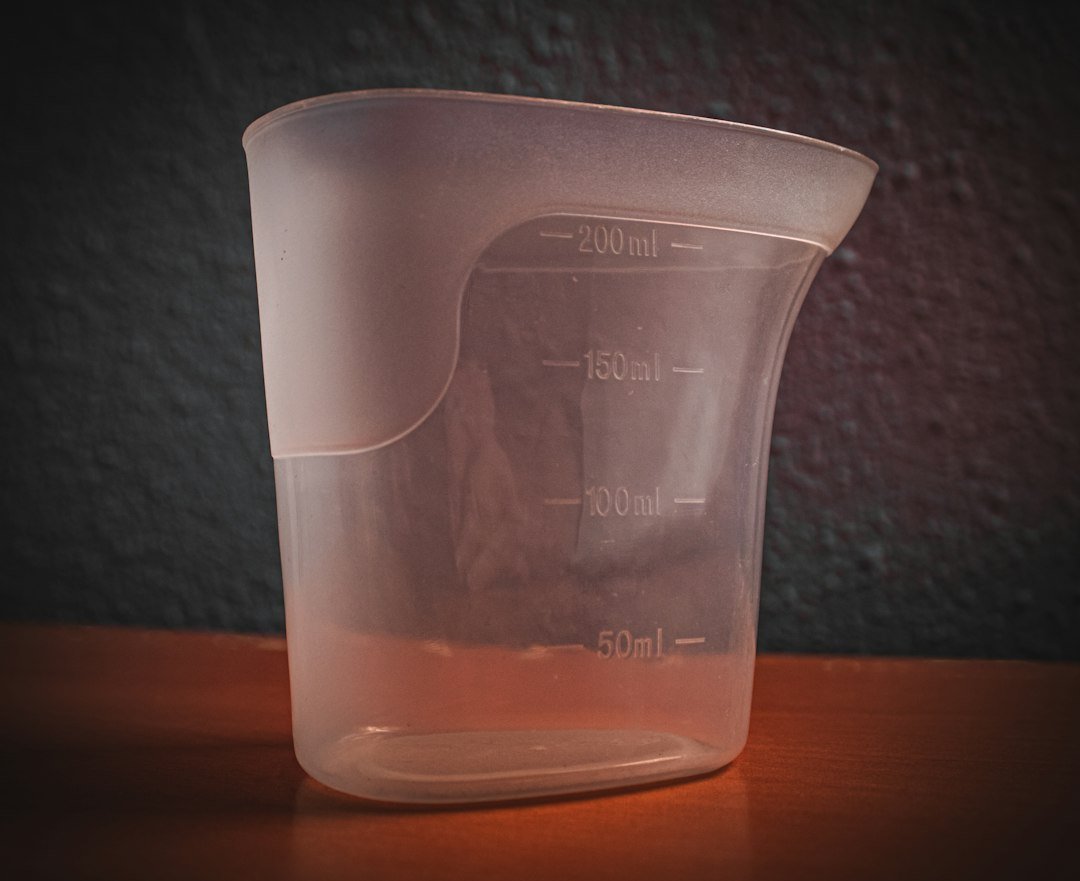
Rice-cooker markings are not universal. They may be tied to the supplied measuring cup, a particular rice program, or a manufacturer’s tested combination of rice and water. Aroma explains why a rice-cooker cup is often different from a standard kitchen cup in its rice-cup guide.
Use the cup and line the manual specifies. Do not copy a ratio from a different brand, grain, or social-media video. If you changed from white rice to brown rice, sticky rice, a mixed grain, or a starchy short grain, check that the manual supports that program.
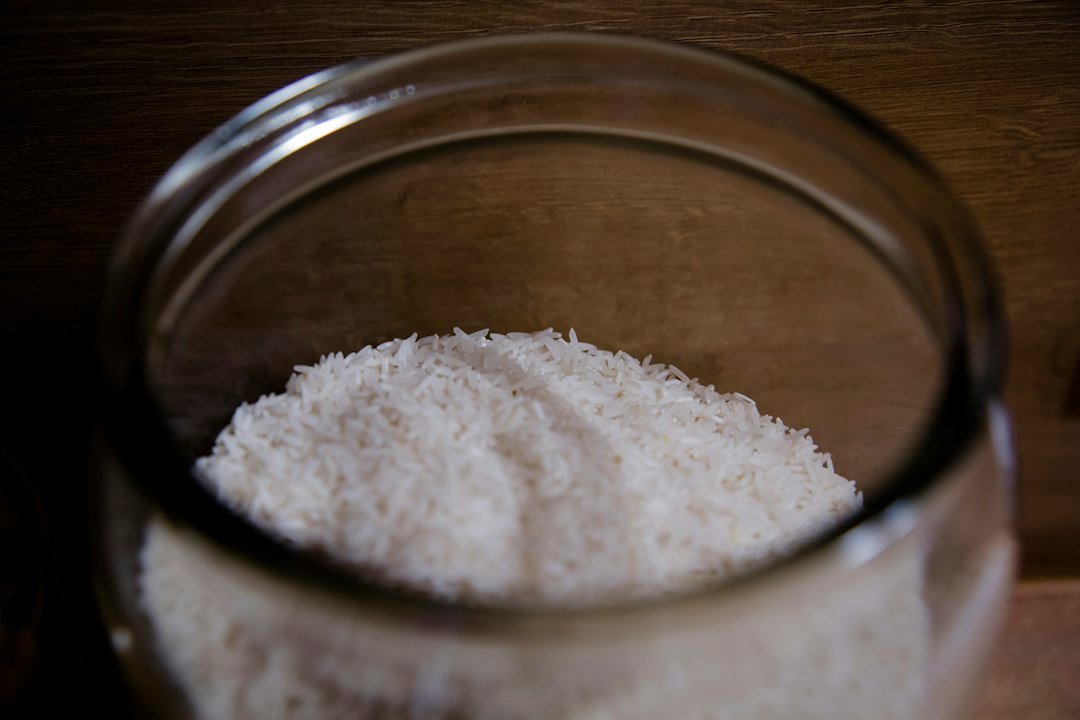
2. Rinse away loose surface starch
Foam forms more easily when excess starch is carried into the cooking water. Rinse in a bowl or the inner pot as the manual permits, then drain consistently. Avoid rubbing the grain aggressively or assuming a cloudy rinse means you must keep washing forever; the objective is a repeatable preparation, not a universal number of rinses.
If the manual says not to wash a particular fortified or specialty rice, follow it. Different grains and programs have different instructions.
3. Reduce the batch instead of filling to the rim
A cooker can have a large headline capacity and still require a lower limit for foamy foods. Keep rice and liquid below the marked maximum. For a pressure appliance, use the pressure manual’s separate rice or grain limit; Instant’s Duo manual illustrates why pressure stages, fill limits, and release instructions must be model-specific.
If the overflow started after you doubled a recipe, return to the last batch that worked and scale from there. Do not assume a mathematically doubled volume behaves the same inside a small vessel.
4. Inspect the lid, vent, and condensation parts
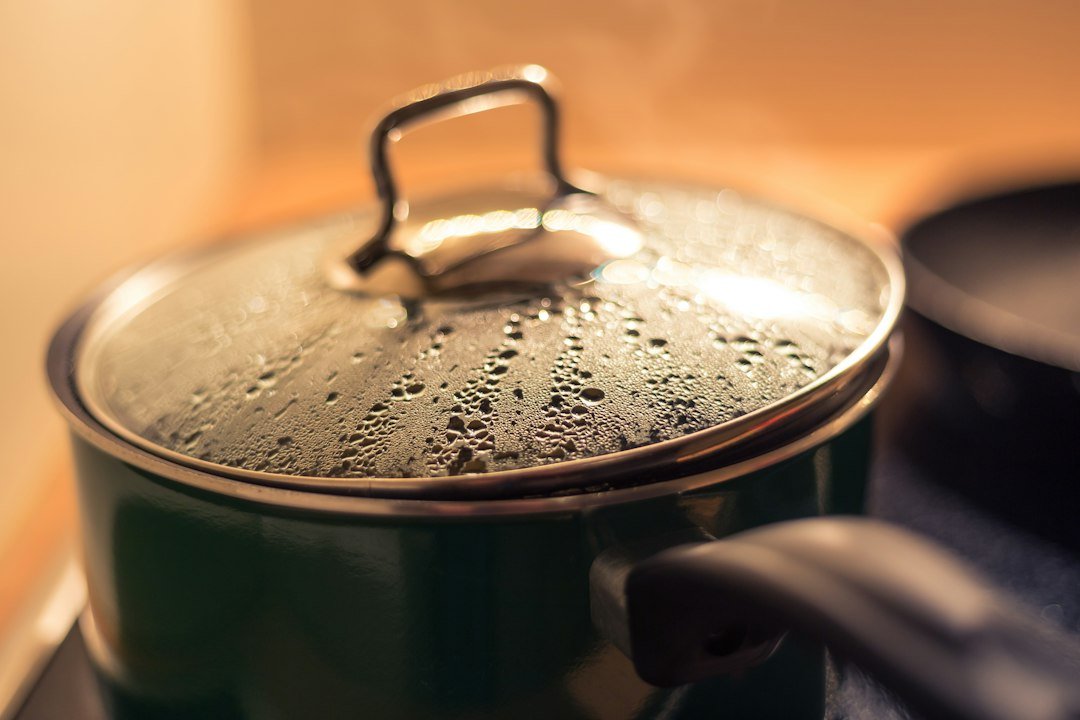
After the cooker is cool and unplugged, check the parts the manual identifies for cleaning: lid underside, steam vent, cap, gasket, condensation collector, and the edge where the lid seats. Dried starch can obstruct a path or prevent a seal from seating correctly.
Do not poke a vent with a sharp object or dismantle a safety part that the manual does not authorize you to remove. If the vent cannot be cleared using the prescribed method, stop using the cooker and contact the manufacturer.
5. Check the inner pot and heating surface
A dented inner pot, residue under the pot, or a warped contact surface can change the cooking cycle. With the unit cool, remove the pot, wipe only as instructed, and confirm it sits flat. Do not operate a cooker with a damaged pot or a wet exterior if the manual warns against it.
What not to do
- Do not add oil, detergent, or a random “anti-foam” ingredient unless the manual explicitly permits it.
- Do not increase the water because the first batch was dry without rechecking the rice type and measuring cup.
- Do not block or tape over the steam vent.
- Do not keep restarting an overflowing cycle without finding the cause.
- Do not use pressure-release advice from a non-pressure rice cooker on an electric pressure multicooker.
If it still boils over after a correct small batch
Run one controlled check using the manufacturer’s cup, a supported rice type, the manual’s line, and a clean vent. Change one variable at a time and write down what happened. If a clean, correctly measured small batch still pushes liquid through the vent, photograph the setup for support and ask the manufacturer whether the inner pot, lid, vent, or sensor needs service.
Do not diagnose a failed heating sensor from foam alone. A service decision requires the model, symptoms, cleaning history, and the manufacturer’s instructions.
Rice cooker or pressure cooker?
If the cooker still overflows after the manual’s process and a controlled small-batch check, replacement may be more sensible than another improvised fix. Start with our mini rice cooker picks for small kitchens and verify the exact model’s limits before buying. A different appliance may change the meal sequence, but it will not fix an overfilled or poorly cleaned cooking vessel by itself.
FAQ
Should I use less water every time?
Not automatically. First verify the rice type, supplied cup, inner-pot marking, and manual. Less water can create undercooked rice and does not repair a blocked vent.
Is foam always a broken rice cooker?
No. Starch, batch size, grain type, and maintenance can all affect foam. Persistent overflow after the manual’s process deserves manufacturer support rather than a guess.
Can I open it while it is steaming?
Follow the exact appliance instructions. Never force a pressure lid and never put your face over a vent.
Final checklist
- Correct rice and program
- Supplied measuring cup and matching fill line
- Rinsed and drained preparation when allowed
- Batch below the relevant limit
- Clean, unobstructed vent and lid parts
- Inner pot seated flat and undamaged
- Manufacturer support if the controlled check fails
Evidence note
Sources: Aroma rice-cup explanation; Instant Duo manual; Instant rice-cooker manual. Guidance is general and does not replace the exact appliance manual.