Portable Blender vs Mini Food Processor for Small Kitchens: Which One Do You Actually Need?
· NookPrep Editorial Team
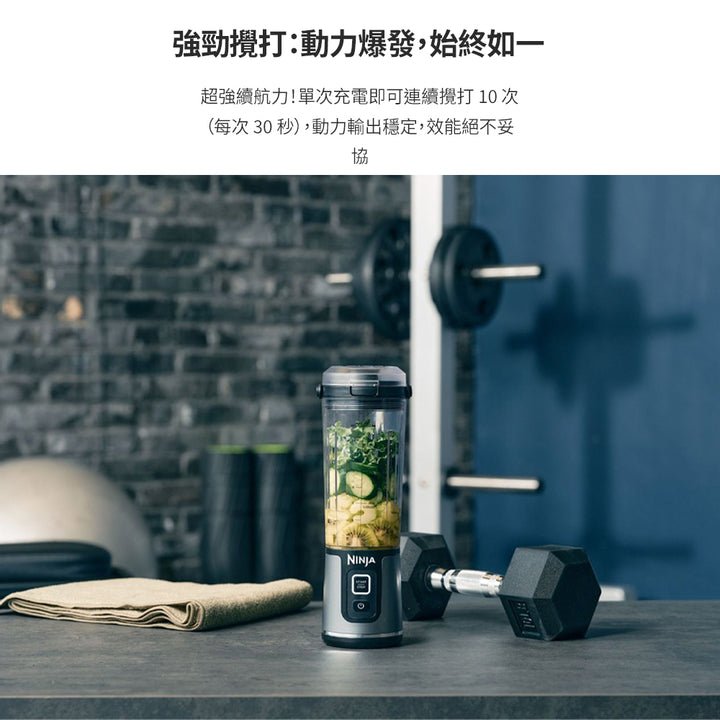
In small kitchens, counter space is a premium currency. You simply cannot afford to waste it on duplicate appliances that gather dust. As you outfit your compact cooking space, you will eventually face a common dilemma: choosing between a portable blender and a mini food processor. Both promise to save space, both feature motorized blades, and both are designed specifically for small-batch food preparation. But which one do you actually need right now? The answer lies entirely in your daily eating habits, not just the dimensions of your cabinets.
The Fundamental Difference in Mechanics
Portable blenders and mini food processors serve entirely different culinary purposes. A portable blender is designed to pull ingredients downward into a compact vortex, requiring a liquid base to function effectively. It pulverizes soft foods and liquids into a smooth, drinkable consistency. A mini food processor, on the other hand, utilizes flat, spinning blades designed to chop, mince, and grind ingredients. It relies on short bursts of power and does not require liquid to work, making it the superior tool for dry or textured ingredients. Understanding this mechanical difference is the first step in protecting your limited kitchen storage.
Footprint, Storage, and Portability
At NookPrep, we know that footprint is everything when organizing a compact space. Portable blenders are typically tall and cylindrical. They slide into a cabinet corner without eating up any horizontal real estate. True to their name, they are highly portable; most charge via a standard USB cable and conveniently double as their own travel cup.
Mini food processors are generally shorter and wider. While they still fit comfortably in most standard kitchen cabinets, their broader base means they occupy more physical shelf space. They also require a dedicated power outlet to operate, tethering you to your kitchen counter. If you need a device to throw into a gym bag or take to the office, the portable blender wins easily. If your primary goal is meal prep at home, the broader base of the food processor offers much better stability.
Performance Breakdown by Kitchen Task
Match the appliance to your frequent cooking tasks.
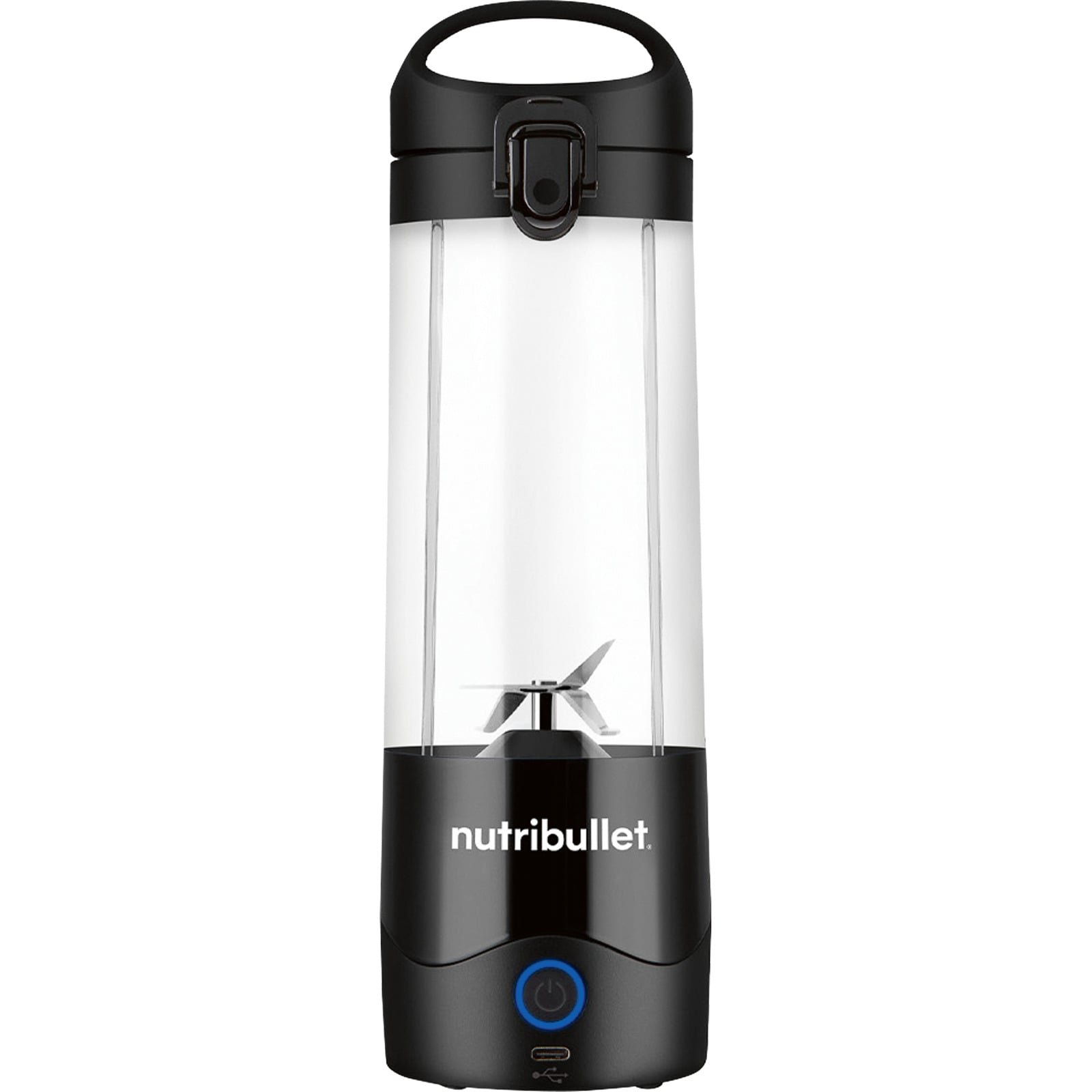
Check NutriBullet Portable Blender on Amazon
Liquids, Smoothies, and Shakes
If your morning routine involves protein powder, frozen berries, and oat milk, the portable blender is non-negotiable. Its blades are explicitly engineered for liquid-heavy recipes. Attempting to make a smoothie in a mini food processor usually results in a chunky, uneven mess that splashes out of the lid, as the bowl is rarely designed for high-volume liquids.
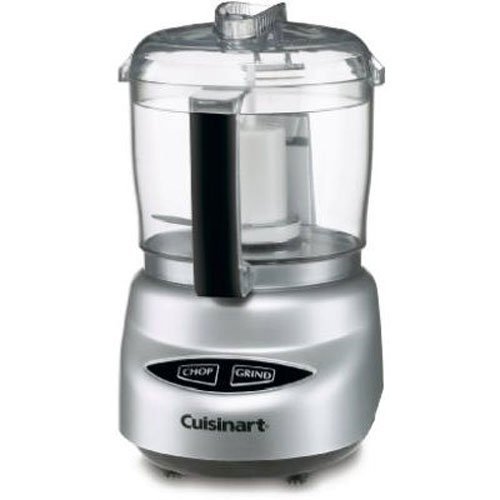
Check Cuisinart Mini-Prep on Amazon
Chopping Vegetables and Mincing Herbs
For dicing onions, mincing garlic, or chopping fresh herbs, the mini food processor is the undisputed champion. Its wide bowl gives ingredients room to bounce around, ensuring an even chop. If you try to chop dry onions in a portable blender, the bottom layer will turn into an unappealing puree while the top layer remains completely untouched.
Sauces, Dips, and Nuts
When it comes to making chunky salsas, hummus, pesto, or grinding small batches of nuts, the mini food processor shines. You have absolute control over the texture by pulsing the blades. A portable blender will struggle with thick dips like hummus unless you add significantly more oil or water than the recipe calls for, fundamentally altering the flavor and consistency.
Prep Speed and Cleanup Time
Small kitchen owners often avoid cooking simply because of the associated cleanup. Here, the portable blender offers a slight edge. Most models can be cleaned by adding a drop of dish soap, filling the cup with warm water, and running a quick blending cycle. You rinse it out, and you are completely done.
Mini food processors require a bit more manual effort. You have to carefully remove the sharp blade assembly, wash the bowl, and scrub the lid, which often has small crevices where food particles like garlic or herbs can get trapped. However, since the bowls are usually top-rack dishwasher safe, the extra effort is minimal if you have a compact dishwasher.
At-a-Glance Comparison
Here is a quick breakdown of the core strengths and limitations of both appliances to help you easily visualize which one fits seamlessly into your lifestyle.
Which Appliance Should You Actually Buy?
Not sure which earns a spot in your cabinet? Here is our specific breakdown for both types of users.
Choose the Portable Blender
You need this if you drink daily smoothies, consume protein shakes, or want a device you can take to the gym. It is perfect for liquid-first consumers who rarely cook meals requiring minced garlic or diced onions.
Choose the Mini Food Processor
Designed for the home cook. If you regularly prepare dinners, make fresh salsas, or hate chopping onions, this tool saves immense effort.
Ready to Optimize Your Kitchen?
Stop letting duplicate, unused appliances clutter your precious counter space. Instead, make a deliberate, space-saving decision. Analyze your daily meals, choose the exact tool that truly matches your cooking habits, and enjoy a much more efficient, organized kitchen environment today.
2 thoughts on “Portable Blender vs Mini Food Processor for Small Kitchens: Which One Do You Actually Need?”
Comments are closed.