
What Kitchen Appliances Are Actually Worth Counter Space in a Small Kitchen?
· NookPrep Editorial Team

A small kitchen does not need fewer useful tools. It needs fewer appliances that sit there doing nothing.
If your counter is already crowded, the wrong question is “Which appliance is popular?” The better question is: does this appliance save enough time, effort, or storage elsewhere to justify the space it permanently occupies? That changes the buying decision completely.
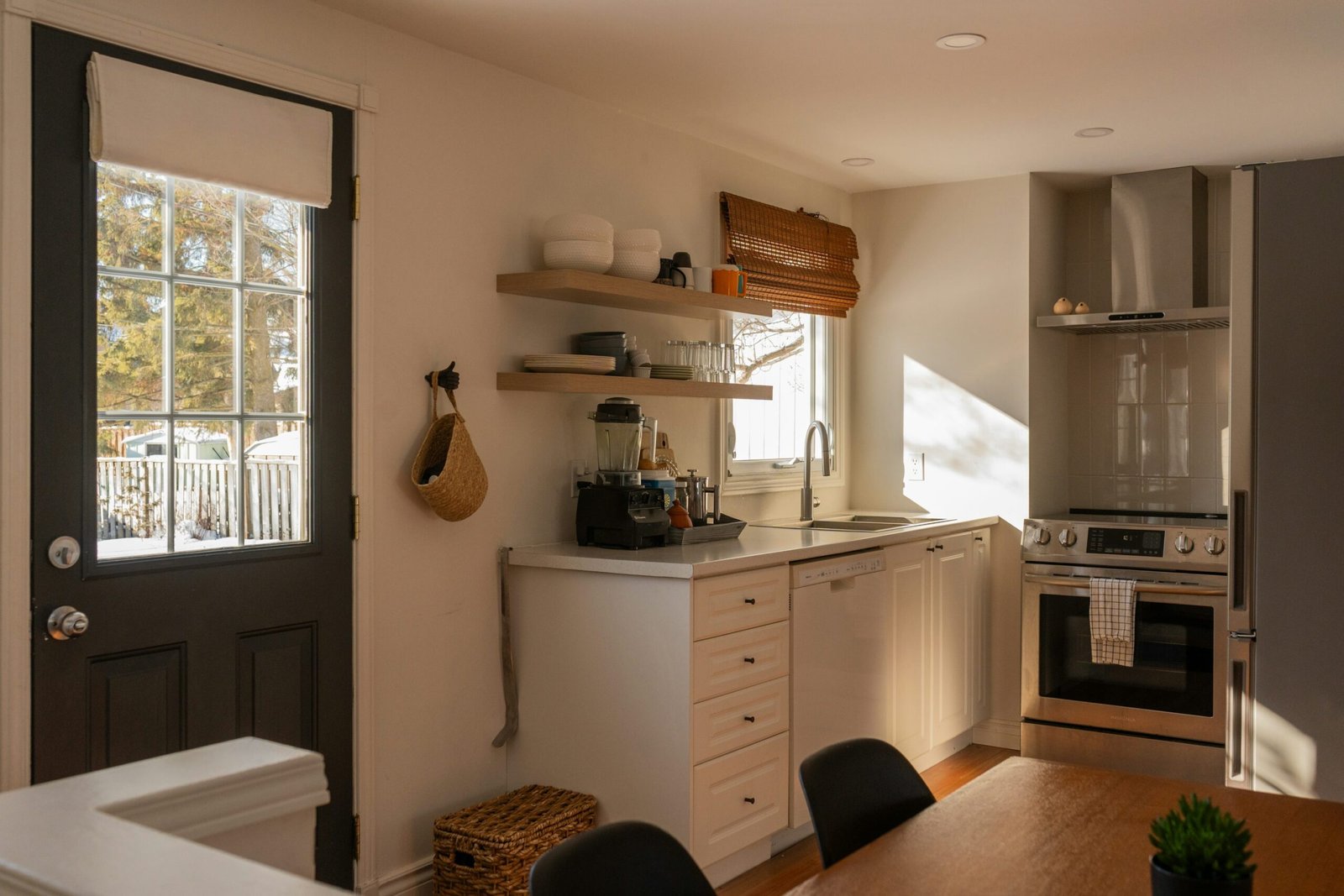
Use the counter-space test before buying anything
Counter space is not free storage. It is your main work surface for chopping, assembling meals, unpacking groceries, and setting down hot cookware. An appliance can be inexpensive and still be costly if it steals the area you use every day.
We use four questions when judging small-kitchen gear. First, frequency: will you realistically use it at least a few times a week? Second, replacement value: can it replace another appliance or a tedious manual task? Third, cleanup friction: will washing it make you avoid using it? Fourth, footprint efficiency: does its size make sense for the portions you prepare?
A fifth factor matters more than people expect: storage behavior. If an appliance is light, cordless, or easy to store vertically, it does not necessarily need permanent counter space. A powerful machine that lives in a cabinet can be a better small-kitchen choice than a weaker machine that permanently occupies your prep zone.
1. A compact blender can earn its place—if you make single servings
Blenders are a classic counter-space trap. A full-size pitcher blender can be excellent, but if you mostly make one smoothie, protein shake, or dressing at a time, the large base and pitcher may be solving a problem you do not have.
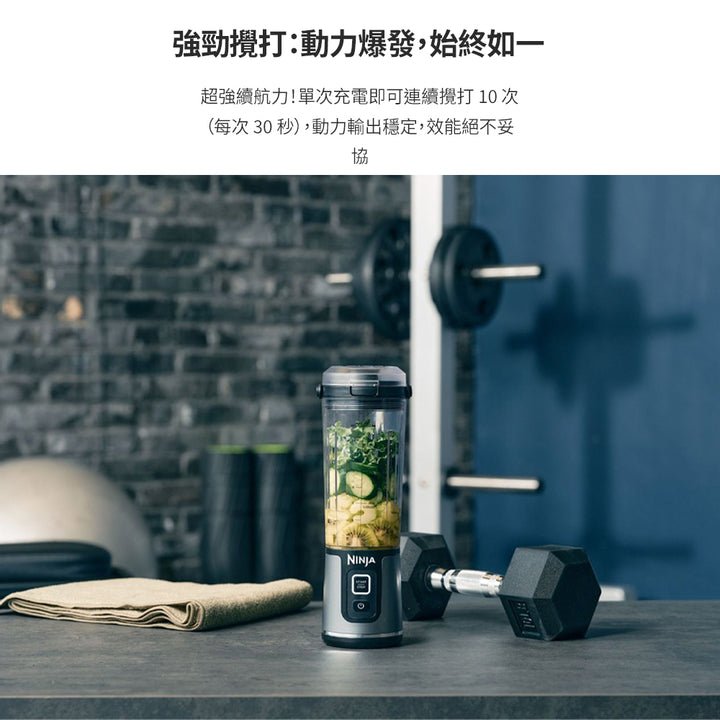
A portable blender makes more sense when portability and small portions matter more than maximum power. Models such as the Ninja Blast BC151 and NutriBullet Portable Blender are much easier to fit into a compact routine than a traditional full-size blender. The tradeoff is obvious: smaller cordless machines are not substitutes for a high-powered countertop blender when you routinely process hard, dense ingredients or large batches.
We compared the category in our best portable blenders for small kitchens guide. You can also read our Ninja Blast vs NutriBullet comparison if those are the two models on your shortlist.
2. A mini food processor is often more useful than a full-size one
Food processors are another category where buying the largest capacity by default can work against a small kitchen. If your normal jobs are chopping an onion, making a small batch of salsa, mincing herbs, grinding nuts, or preparing a quick dressing, a compact processor can cover the repetitive work without claiming a large section of the counter.
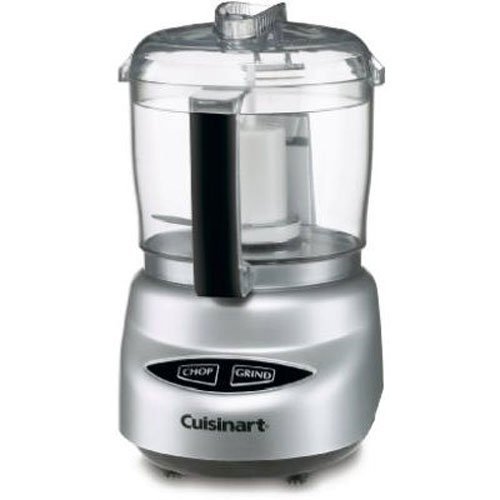
The key is not to pretend a mini processor does everything. Small bowls are poor choices for large batches and serious dough work. But that limitation can be an advantage when your household is one or two people and your everyday prep is modest. Our compact food processor guide compares the Cuisinart Mini-Prep Plus and KitchenAid 3.5-Cup Food Chopper specifically through this small-space lens.
3. Hand blenders deserve more attention in tiny kitchens
A hand blender has one major advantage that countertop spec sheets often overlook: it can disappear into a drawer. For soups, sauces, dressings, and certain smoothies, that storage profile can be more valuable than having another motor base on display.
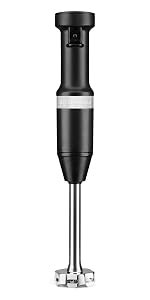
If your main reason for owning a blender is pureeing soup directly in a pot, a hand blender can eliminate the awkward transfer into a pitcher. It also reduces the number of bulky parts that need drying and storing. It is less convincing if frozen smoothies are your main use case or if you routinely need the capabilities of a full-size blender. If you are choosing between two compact handheld tools, see our immersion blender vs hand mixer guide for the job-by-job difference.
4. Tiny single-purpose appliances need a much higher bar
Mini waffle makers, egg cookers, popcorn makers, sandwich presses, and similar gadgets can look perfect for a small kitchen because each individual product is physically small. The problem is accumulation. Five tiny appliances can consume more usable storage than one versatile appliance.
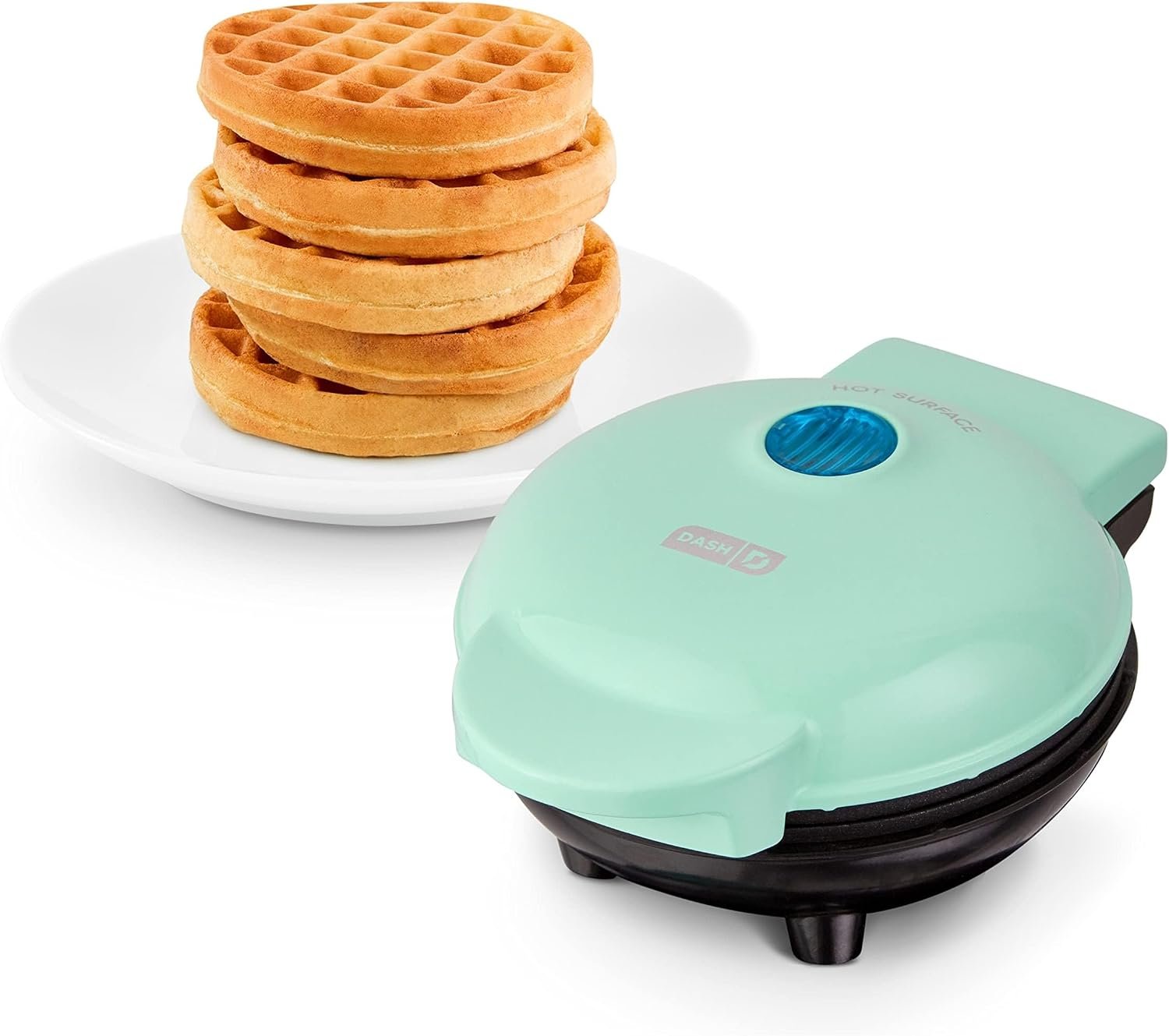
That does not mean every single-purpose appliance is a bad buy. A product such as the Dash Mini Waffle Maker can make sense for someone who actually eats waffles frequently and values the tiny footprint. But novelty is not a use case. Read our Dash Mini Waffle Maker review for the tradeoffs before treating small size alone as a reason to buy.
A useful rule is to imagine the appliance six months from now, not on unboxing day. If you can name the meals and days when you will use it, it may deserve storage. If the answer is mostly “this looks fun,” keep your counter clear.
5. Do not ignore non-electric tools that replace appliances
One of the best ways to protect counter space is to solve a task without adding another plug. A manual chopper, compact measuring tool, over-the-sink prep tool, or efficient drawer organizer can sometimes remove enough friction that an electric appliance becomes unnecessary.
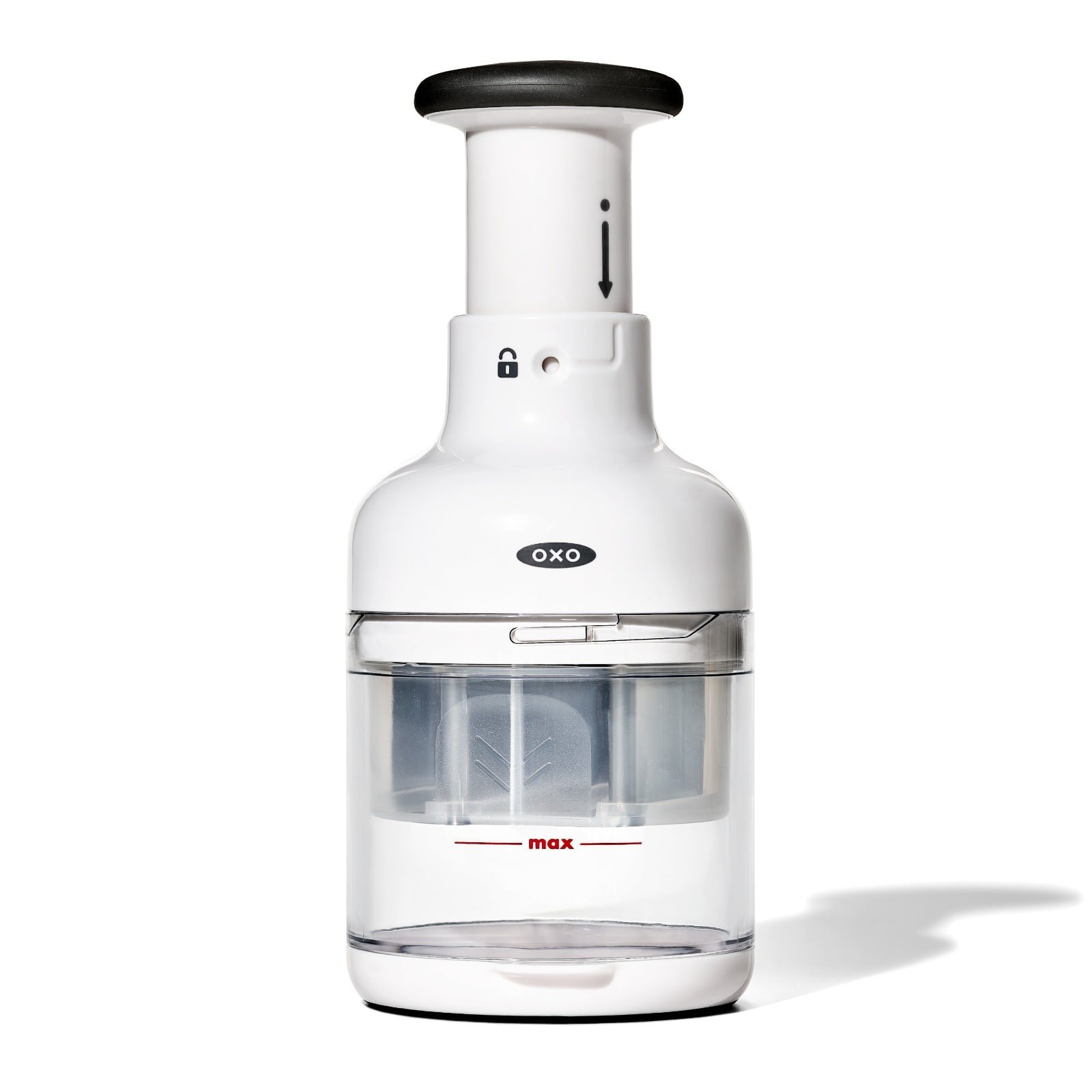
Our broader best kitchen gadgets for small kitchens guide includes tools chosen specifically for space efficiency. This is an important distinction: the goal is not to own miniature versions of everything. The goal is to build a kitchen where the tools you keep make the limited space easier to use.
The 5-point appliance scorecard
Before buying, score the appliance from zero to two on each of these five factors. A score of 0 means poor, 1 means acceptable, and 2 means strong.
| Factor | Ask yourself | Strong answer |
|---|---|---|
| Frequency | How often will I use it? | Several times a week |
| Replacement | What task or tool does it replace? | Multiple repetitive tasks |
| Cleanup | Will cleanup stop me using it? | Fast, simple cleanup |
| Footprint | Does its size match my portions? | Little wasted capacity |
| Storage | Can it disappear when unused? | Drawer/cabinet friendly |
8–10 points: strong small-kitchen candidate. 5–7: useful, but probably store it rather than granting permanent counter space. 0–4: skip it unless you have a very specific use case.
What should actually stay on the counter?
Permanent counter space should go to appliances that are part of your routine, not your aspirations. If you drink coffee every morning, your coffee setup deserves more priority than a food processor used every six weeks. If you make smoothies after every workout, a compact blender can be justified. If you cook rice four nights a week, a small rice cooker may be more valuable than three trendier gadgets combined.
There is also no rule that an appliance must stay visible just because you use it. Light appliances that can be lifted with one hand are ideal cabinet candidates. The counter should remain a workspace first.
The NookPrep rule: earn the footprint
We do not think “compact” automatically means “good for a small kitchen.” A compact gadget that duplicates something you already own is still clutter. A slightly larger appliance that replaces three other tools may be the more space-efficient purchase.
That is why our reviews focus on the question behind the specification sheet: what does this product give back in exchange for the space it takes? We compare dimensions, capacity, power, cleanup, portability, storage behavior, and realistic use cases using manufacturer documentation, product information, and buyer-oriented analysis. We do not claim hands-on testing unless we actually performed it. You can read the full NookPrep review methodology and editorial policy.
Bottom line
For most small kitchens, start with one appliance tied to a frequent habit, then add only when a recurring problem appears. A compact blender is worth it if you blend constantly. A mini processor is worth it if chopping repeatedly slows you down. A hand blender is excellent when you want useful motor power without permanent counter occupation. Single-purpose gadgets need to prove that you will actually use them.
Buy for the routine you already have—not the kitchen fantasy you hope the appliance will create. That one rule prevents more clutter than any organizer.
Start with our current small-space buying guides.
1 thought on “What Kitchen Appliances Are Actually Worth Counter Space in a Small Kitchen?”
Comments are closed.