Best Portable Blenders for Small Kitchens: 2 Picks Worth the Space
· NookPrep Editorial Team
NookPrep Best Picks
Most portable blenders are easy to buy and surprisingly easy to regret. For a small kitchen, the right one should replace clutter—not become another battery-powered object you have to store.
We narrowed this guide to two models because both have a clear small-kitchen argument, both have published manufacturer specifications that are easy to verify, and both solve the same job without pretending to replace a high-power countertop blender. If you mainly make single-serve smoothies, protein shakes, or light frozen drinks, either can make sense. If you need family-size batches, thick nut butters, hot soup, or heavy food prep, skip the portable category and buy a corded personal blender instead.
Ninja Blast BC151 is our pick if you care most about portability, frozen-drink capability, and a slightly more rugged grab-and-go design. NutriBullet Portable Blender is our pick if you want a larger 20-ounce cup, a narrow profile, and a published 15+ blend-cycle battery rating.
At a glance
| Model | Cup | Charging | Best for | NookPrep take |
|---|---|---|---|---|
| Ninja Blast BC151 | 18 oz | USB-C | Frozen drinks, shakes, travel | Best all-around fit |
| NutriBullet Portable Blender | 20 oz | USB-C | Daily smoothies, protein shakes | Best for larger single servings |
1. Ninja Blast BC151 — best overall for small kitchens
- 18-ounce vessel is useful without becoming bulky
- USB-C rechargeable
- Drink-through lid and carry handle reduce extra parts
- Designed for fresh and frozen ingredients
- Easy to store vertically in a cabinet
- Still not a full-size blender replacement
- Single-serve capacity only
- Battery aging matters over long-term ownership
- Hard, tightly packed frozen loads can require more care
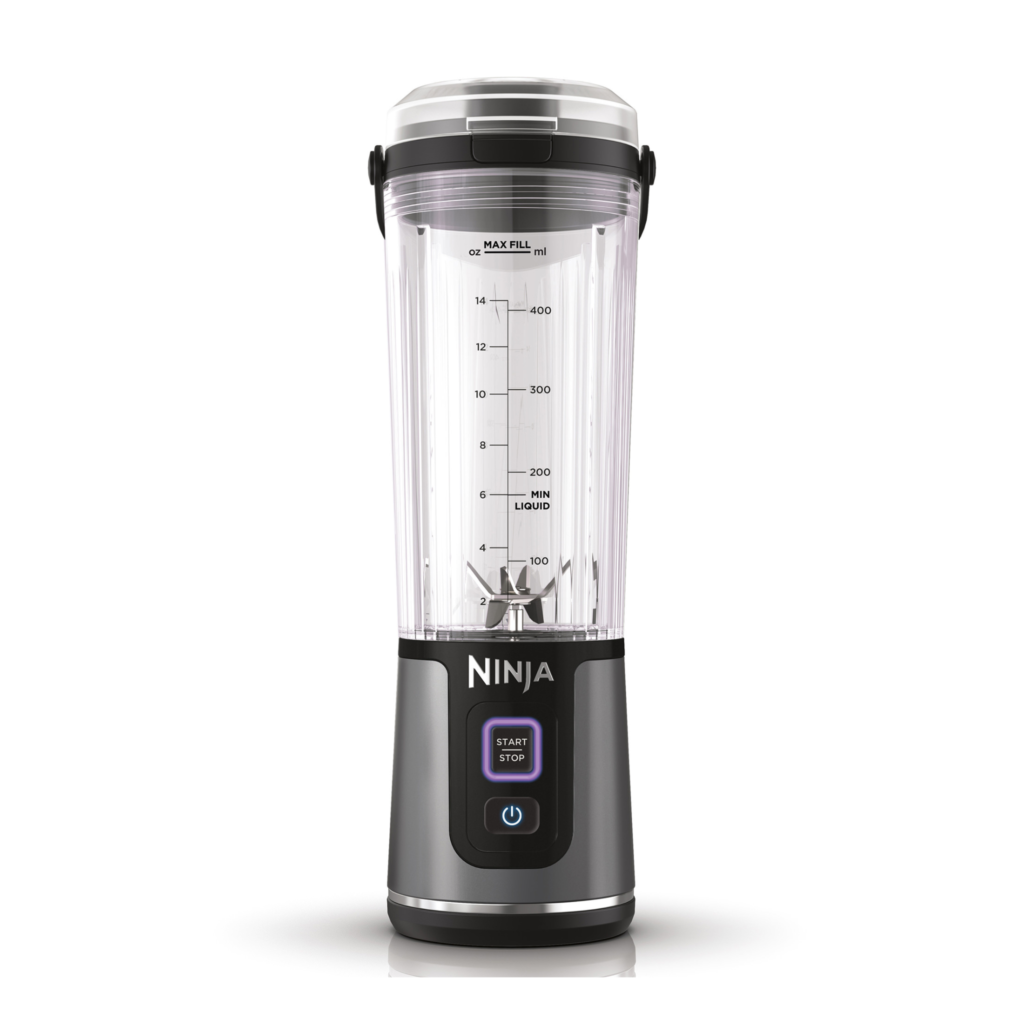
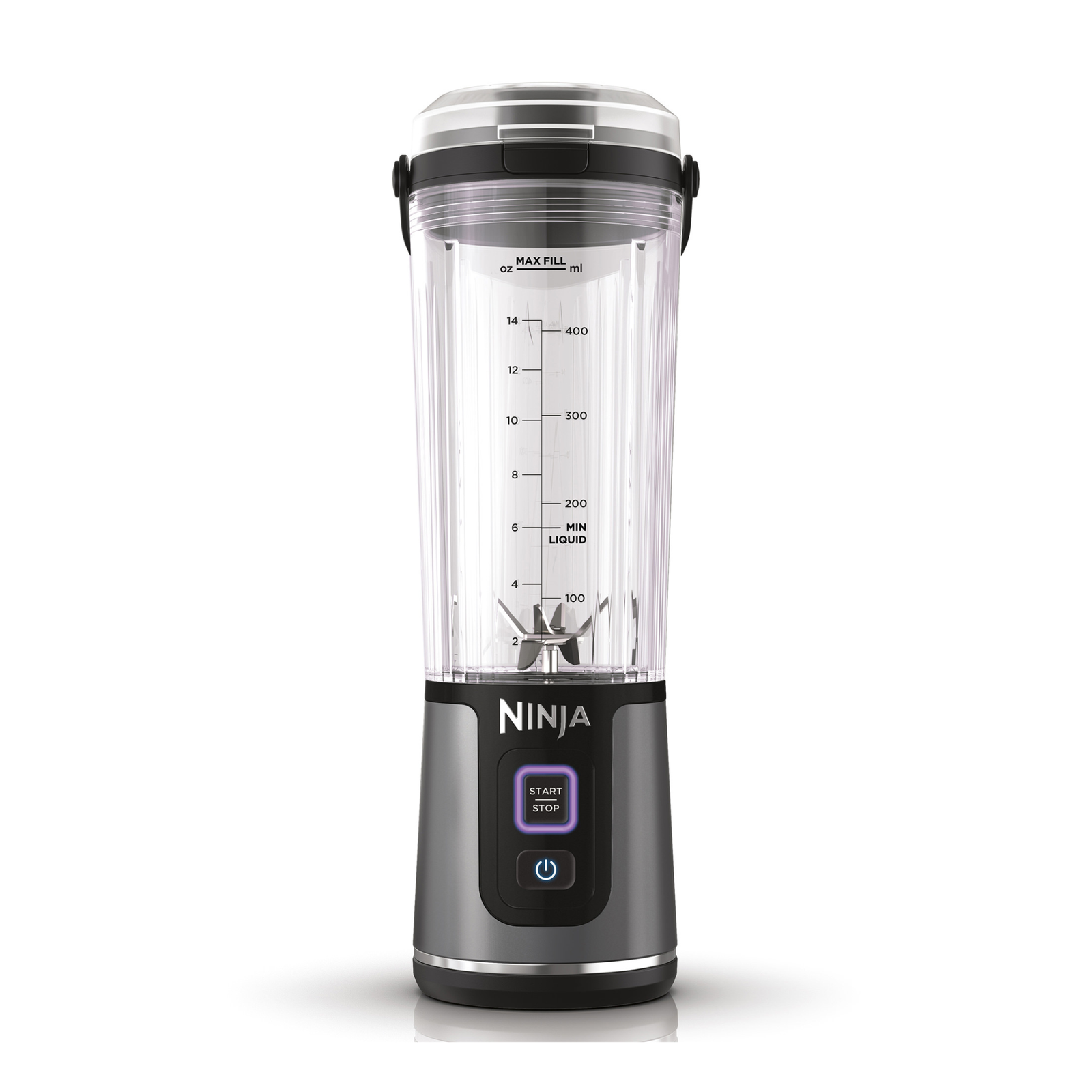
The Ninja Blast makes sense in a small kitchen because almost every part of the design reduces friction. The vessel is the cup. The sip lid means you do not need another travel bottle. USB-C charging means the blender can live in a cabinet instead of occupying an outlet on the counter. And at 18 ounces, the vessel is large enough for a real smoothie without becoming an awkward container to store.
Ninja positions the BC151 for smoothies, protein shakes, and frozen drinks, and the brand specifically highlights its BlastBlade assembly for fresh or frozen ingredients. That does not mean you should treat it like a 1,000-watt countertop blender. Portable models have less sustained power and smaller batteries. The smart way to use one is with enough liquid, smaller frozen pieces, and realistic expectations.
For a one-person apartment, that tradeoff can be worth it. A full-size blender base and pitcher may occupy an entire cabinet shelf. The Blast can fit into a narrow cabinet zone or leave the kitchen entirely when you take it to work or the gym. That is exactly the kind of multi-location usefulness we look for in small-space gear.
2. NutriBullet Portable Blender — best for larger single servings
- 20-ounce cup gives more room than the Ninja
- USB-C charging
- Manufacturer rates it for 15+ cycles per charge
- Narrow 3.3-inch body is easy to store
- Cup and lid are top-rack dishwasher safe
- Heavier recipes still favor a corded blender
- Motor base cannot be submerged
- Single-serve design limits batch cooking
- Larger cup also means a slightly taller unit
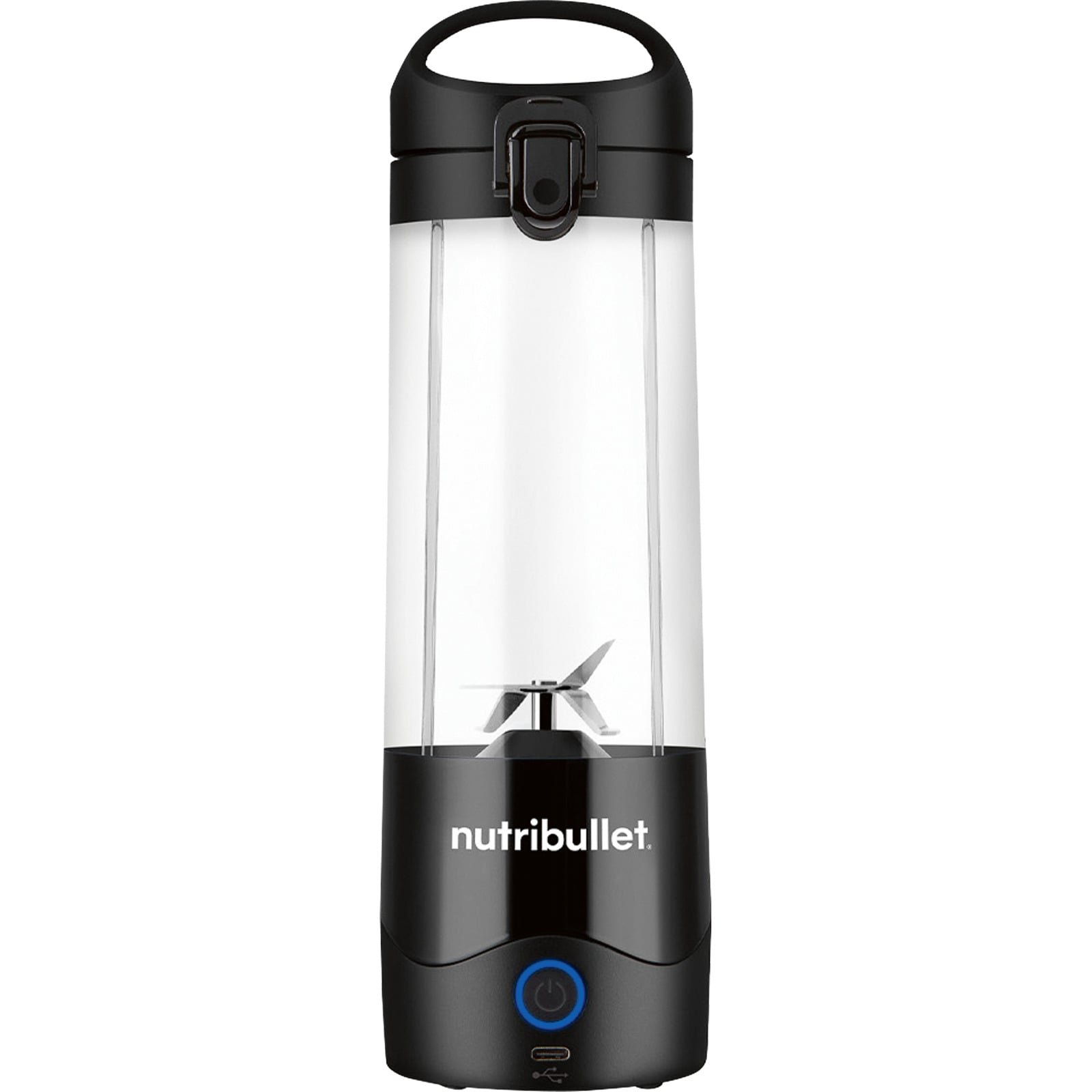
NutriBullet takes a slightly different approach. The cup is 20 ounces instead of 18, which sounds like a small difference but matters if your normal smoothie includes protein powder, frozen fruit, greens, and enough liquid to blend cleanly. Extra headroom can reduce the temptation to pack ingredients too tightly.
The published dimensions are also useful for small-space shoppers. NutriBullet lists the body at about 3.3 inches wide, and the entire unit weighs around 1.6 pounds. That narrow footprint makes vertical storage straightforward and also explains why the product is designed to fit standard cupholders.
Battery transparency is another point in its favor. NutriBullet rates the blender for 15 or more blend cycles per full charge. Published battery-cycle numbers do not tell you exactly how the blender will perform years from now, but they at least give buyers a concrete expectation for normal use. If you make one smoothie most mornings, you should not need to leave it permanently plugged in.
Ninja Blast vs NutriBullet: which should you buy?
If both are available at similar prices, the decision is less about brand and more about your routine. Choose the Ninja if you value a slightly more portable feel, an 18-ounce format, and a product specifically positioned around frozen drinks as well as smoothies. Choose the NutriBullet if the 20-ounce cup and published 15+ cycle battery figure matter more.
Neither is the right choice if your main goal is power. If you regularly blend large frozen fruit portions, thick nut butter, soups, or multiple servings, buying a portable blender because it is small can actually create more frustration than it saves space. A compact corded personal blender is larger, but it may replace more kitchen tasks and therefore earn its footprint more honestly.
We also have a dedicated Ninja Blast vs NutriBullet comparison if you want the differences without the broader buying-guide context.
What makes a portable blender good for a small kitchen?
The best small-kitchen appliance is not automatically the smallest one. It should either replace another tool, reduce the number of containers you use, or store so easily that it does not compete with higher-value equipment. For portable blenders, we look at five things: footprint, cup-as-drinking-vessel design, charging convenience, cleanup, and realistic blending range.
Footprint matters more than headline capacity. A slim cylinder is easier to store than a wide motor base even if both have similar total volume. Cleanup matters more than novelty. If you dread washing the blade area, you will stop using the blender. And power expectations matter more than marketing. Battery-powered blenders are convenience tools first.
Buy a portable blender only if its portability or storage advantage solves a real problem for you. If it will live permanently beside a full-size blender, it is probably duplicate clutter.
Why we did not list ten models
A long list can look useful while hiding weak recommendations. We would rather publish two products with clear specifications, real product imagery, and a defensible use case than pad the page with obscure models simply to hit a number. As we research more portable blenders with strong small-kitchen value, we will add them here rather than lowering the bar.
That approach also keeps the buying decision simple. Both picks here are compact, rechargeable, single-serve machines. The difference is not whether one is good and the other is bad. The difference is which compromise fits your kitchen better.
When a portable blender is the wrong choice
Portable blenders solve a very specific problem: they make one drink in a small container without requiring a permanent counter setup. That is useful, but it also means they should not be bought just because they look compact. If you normally blend for two people, use large amounts of frozen fruit, make thick smoothie bowls, or want to process nuts and sauces regularly, a corded personal blender can be the more space-efficient purchase in the long run because it handles more jobs reliably.
The same rule applies to battery ownership. A rechargeable blender is convenient when you move between home, work, and the gym. If it never leaves your kitchen, a power cord may actually be simpler: no charging cycle to remember, no battery aging, and no need to trade sustained power for mobility. Small-space buying is not about choosing the smallest object. It is about choosing the product that replaces the most friction with the least storage cost.
Bottom line
For most small kitchens, the Ninja Blast BC151 is the safer all-around recommendation because its 18-ounce vessel, USB-C charging, sip lid, and frozen-drink positioning create a strong balance of portability and everyday usefulness. The NutriBullet Portable Blender is the better fit if you want a slightly larger 20-ounce cup and prefer a narrow design with a clearly published battery-cycle estimate.
Neither should be purchased as a miniature substitute for every blender task. Buy one because you value single-serve convenience and easy storage. That is where portable blenders actually earn their space.
How we chose: This guide is research-based. NookPrep reviewed manufacturer specifications, dimensions, charging information, capacity, cleanup design, and small-kitchen use cases. We do not claim hands-on testing where it has not occurred. See How We Review for our methodology.
As an Amazon Associate, NookPrep earns from qualifying purchases. Prices and availability can change.
3 thoughts on “Best Portable Blenders for Small Kitchens: 2 Picks Worth the Space”
Comments are closed.