
The Zojirushi NHS-06 Is Simple, but Does It Solve the Right Problem?
· NookPrep Editorial Team
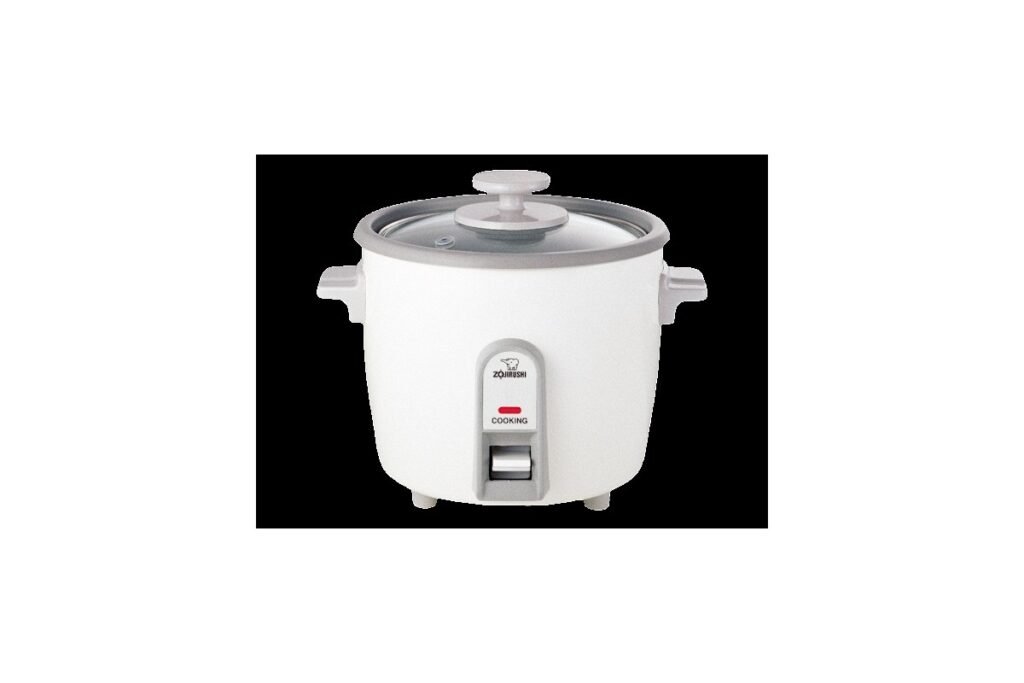
The Zojirushi NHS-06 is a three-rice-cup uncooked cooker using the manufacturer’s 180 mL cup, with a simple cook switch and a glass lid. Crucially, this smallest NHS-06 model is not the NHS-10 or NHS-18: it does not provide automatic keep warm. That difference should be central to any buying decision.
Disclosure: As an Amazon Associate I earn from qualifying purchases. This article is based on manufacturer specifications and editorial analysis, not firsthand testing. The links marked paid links may generate an affiliate commission.
Check on Amazon — Zojirushi NHS-06 (paid link; verify the selected model, color and seller)
Three cups does not mean three dinner bowls
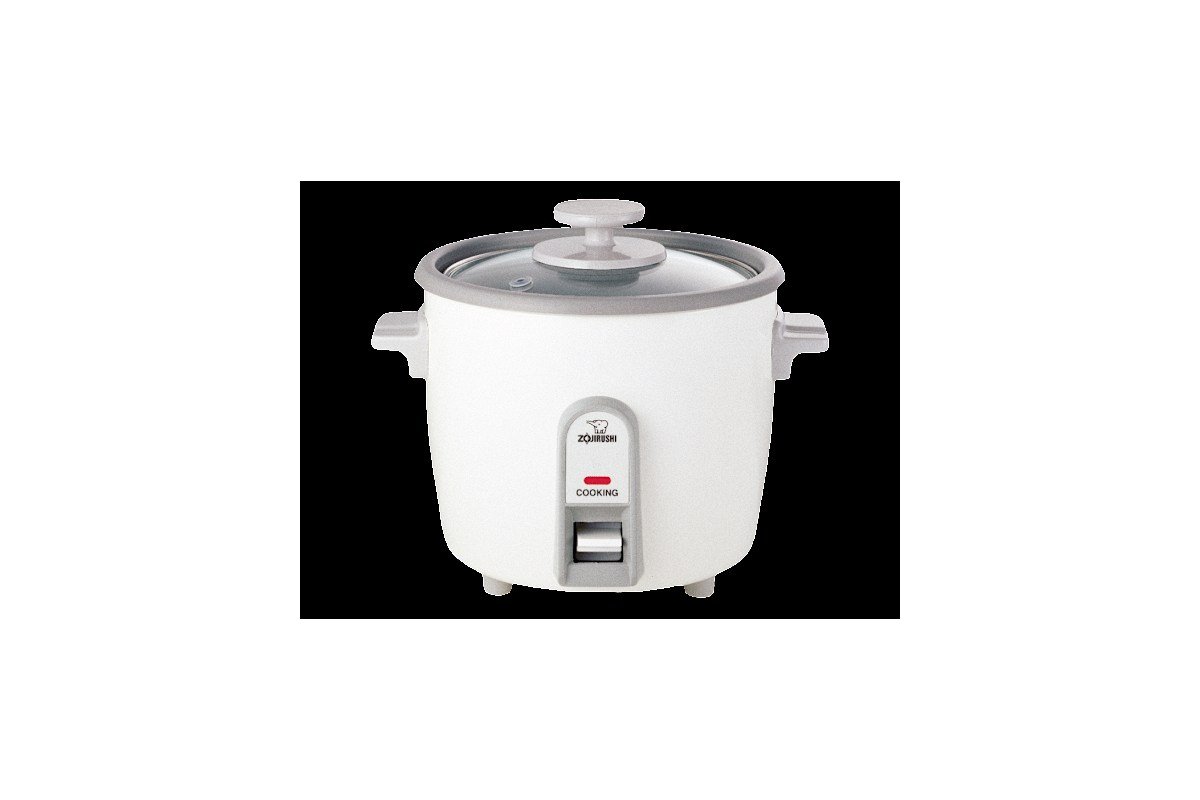
The listed three-cup capacity is uncooked rice using a dedicated 180 mL measuring cup. This consideration is more useful when you imagine your own kitchen instead of an empty product-photography set. Put the Zojirushi NHS-06 in the middle of a normal weekday: when will you use it, what else will share the worktop, and what would make you reach for another tool instead? It is tempting to use a headline specification as a final answer. In a small kitchen the important difference is often the sequence of small actions before and after the advertised feature is used. A product can perform its narrow intended job and still be wrong for a particular household.
Cooked yield is larger, and U.S. measuring cups cannot be substituted blindly. Rather than treating this as a minor caveat, use it to create a real purchase test. Compare the claim with your current equipment and typical use. Think about a busy morning, a relaxed weekend and the day when you are too tired to perform a complicated setup. Would the benefit remain relevant in each situation? If only one unusual scenario makes the product attractive, the purchase may not solve a recurring problem. This is reasoning from documented features and ordinary kitchen constraints, not the result of an unreported hands-on experiment.
One practical way to resolve this question is to write down a yes-or-no requirement before you open a shopping page. Avoid asking simply whether the appliance is good; ask whether its size, process and limitations match a task you repeat every week. Check the official manual for clearance, preparation, operation and cleaning requirements. Product dimensions alone never guarantee that an appliance can be operated safely in an arbitrary corner. It is equally important to confirm the exact model name with the seller, because visually similar product families can differ in details that affect the buying decision.
The missing feature matters more than it sounds
NHS-06 does not automatically switch to keep warm after cooking. This consideration is more useful when you imagine your own kitchen instead of an empty product-photography set. Put the Zojirushi NHS-06 in the middle of a normal weekday: when will you use it, what else will share the worktop, and what would make you reach for another tool instead? It is tempting to use a headline specification as a final answer. In a small kitchen the important difference is often the sequence of small actions before and after the advertised feature is used. A product can perform its narrow intended job and still be wrong for a particular household.
Someone who wants to leave rice unattended after completion should choose a different model. Rather than treating this as a minor caveat, use it to create a real purchase test. Compare the claim with your current equipment and typical use. Think about a busy morning, a relaxed weekend and the day when you are too tired to perform a complicated setup. Would the benefit remain relevant in each situation? If only one unusual scenario makes the product attractive, the purchase may not solve a recurring problem. This is reasoning from documented features and ordinary kitchen constraints, not the result of an unreported hands-on experiment.
Why the glass lid can be appealing
A transparent lid gives a view of the cooking process. This consideration is more useful when you imagine your own kitchen instead of an empty product-photography set. Put the Zojirushi NHS-06 in the middle of a normal weekday: when will you use it, what else will share the worktop, and what would make you reach for another tool instead? It is tempting to use a headline specification as a final answer. In a small kitchen the important difference is often the sequence of small actions before and after the advertised feature is used. A product can perform its narrow intended job and still be wrong for a particular household.
Visibility does not eliminate the need to use manufacturer-specified water quantities and safe handling. Rather than treating this as a minor caveat, use it to create a real purchase test. Compare the claim with your current equipment and typical use. Think about a busy morning, a relaxed weekend and the day when you are too tired to perform a complicated setup. Would the benefit remain relevant in each situation? If only one unusual scenario makes the product attractive, the purchase may not solve a recurring problem. This is reasoning from documented features and ordinary kitchen constraints, not the result of an unreported hands-on experiment.
Shopping note: Exact Amazon product identifiers must be verified against the correct model and color before affiliate links go live. This article does not invent ASINs or prices.
Small kitchen dimensions
The listed dimensions are roughly 9 1/8 by 7 1/2 by 7 1/2 inches. This consideration is more useful when you imagine your own kitchen instead of an empty product-photography set. Put the Zojirushi NHS-06 in the middle of a normal weekday: when will you use it, what else will share the worktop, and what would make you reach for another tool instead? It is tempting to use a headline specification as a final answer. In a small kitchen the important difference is often the sequence of small actions before and after the advertised feature is used. A product can perform its narrow intended job and still be wrong for a particular household.
A physically small body can still need room to release hot steam and lift the lid. Rather than treating this as a minor caveat, use it to create a real purchase test. Compare the claim with your current equipment and typical use. Think about a busy morning, a relaxed weekend and the day when you are too tired to perform a complicated setup. Would the benefit remain relevant in each situation? If only one unusual scenario makes the product attractive, the purchase may not solve a recurring problem. This is reasoning from documented features and ordinary kitchen constraints, not the result of an unreported hands-on experiment.
How one-touch cooking changes habits
Simple operation can suit people who dislike digital settings. This consideration is more useful when you imagine your own kitchen instead of an empty product-photography set. Put the Zojirushi NHS-06 in the middle of a normal weekday: when will you use it, what else will share the worktop, and what would make you reach for another tool instead? It is tempting to use a headline specification as a final answer. In a small kitchen the important difference is often the sequence of small actions before and after the advertised feature is used. A product can perform its narrow intended job and still be wrong for a particular household.
It offers fewer timing and texture options than specialized computerized cookers. Rather than treating this as a minor caveat, use it to create a real purchase test. Compare the claim with your current equipment and typical use. Think about a busy morning, a relaxed weekend and the day when you are too tired to perform a complicated setup. Would the benefit remain relevant in each situation? If only one unusual scenario makes the product attractive, the purchase may not solve a recurring problem. This is reasoning from documented features and ordinary kitchen constraints, not the result of an unreported hands-on experiment.
A three-cup limit in practice
Consider dinner for one versus dinner for two and tomorrow’s lunch. This consideration is more useful when you imagine your own kitchen instead of an empty product-photography set. Put the Zojirushi NHS-06 in the middle of a normal weekday: when will you use it, what else will share the worktop, and what would make you reach for another tool instead? It is tempting to use a headline specification as a final answer. In a small kitchen the important difference is often the sequence of small actions before and after the advertised feature is used. A product can perform its narrow intended job and still be wrong for a particular household.
Multiple servings may fit, but only if dry rice and water remain within the manual limits. Rather than treating this as a minor caveat, use it to create a real purchase test. Compare the claim with your current equipment and typical use. Think about a busy morning, a relaxed weekend and the day when you are too tired to perform a complicated setup. Would the benefit remain relevant in each situation? If only one unusual scenario makes the product attractive, the purchase may not solve a recurring problem. This is reasoning from documented features and ordinary kitchen constraints, not the result of an unreported hands-on experiment.
What the no-keep-warm trade-off buys
An uncomplicated design may be attractive if rice is eaten immediately. This consideration is more useful when you imagine your own kitchen instead of an empty product-photography set. Put the Zojirushi NHS-06 in the middle of a normal weekday: when will you use it, what else will share the worktop, and what would make you reach for another tool instead? It is tempting to use a headline specification as a final answer. In a small kitchen the important difference is often the sequence of small actions before and after the advertised feature is used. A product can perform its narrow intended job and still be wrong for a particular household.
If meals frequently run late, manual monitoring becomes part of the ownership cost. Rather than treating this as a minor caveat, use it to create a real purchase test. Compare the claim with your current equipment and typical use. Think about a busy morning, a relaxed weekend and the day when you are too tired to perform a complicated setup. Would the benefit remain relevant in each situation? If only one unusual scenario makes the product attractive, the purchase may not solve a recurring problem. This is reasoning from documented features and ordinary kitchen constraints, not the result of an unreported hands-on experiment.
Glass and metal care
Take care around a hot lid and hot steam after cooking. This consideration is more useful when you imagine your own kitchen instead of an empty product-photography set. Put the Zojirushi NHS-06 in the middle of a normal weekday: when will you use it, what else will share the worktop, and what would make you reach for another tool instead? It is tempting to use a headline specification as a final answer. In a small kitchen the important difference is often the sequence of small actions before and after the advertised feature is used. A product can perform its narrow intended job and still be wrong for a particular household.
Follow official cleaning directions rather than assuming removable pieces are dishwasher safe. Rather than treating this as a minor caveat, use it to create a real purchase test. Compare the claim with your current equipment and typical use. Think about a busy morning, a relaxed weekend and the day when you are too tired to perform a complicated setup. Would the benefit remain relevant in each situation? If only one unusual scenario makes the product attractive, the purchase may not solve a recurring problem. This is reasoning from documented features and ordinary kitchen constraints, not the result of an unreported hands-on experiment.
Compare on Amazon — Zojirushi NHS-06 (paid link; verify the selected model, color and seller)
Checking the exact model number
NHS-06 differs materially from bigger NHS models. This consideration is more useful when you imagine your own kitchen instead of an empty product-photography set. Put the Zojirushi NHS-06 in the middle of a normal weekday: when will you use it, what else will share the worktop, and what would make you reach for another tool instead? It is tempting to use a headline specification as a final answer. In a small kitchen the important difference is often the sequence of small actions before and after the advertised feature is used. A product can perform its narrow intended job and still be wrong for a particular household.
Images and product titles from NHS-10 and NHS-18 should never be presented as proof of NHS-06 features. Rather than treating this as a minor caveat, use it to create a real purchase test. Compare the claim with your current equipment and typical use. Think about a busy morning, a relaxed weekend and the day when you are too tired to perform a complicated setup. Would the benefit remain relevant in each situation? If only one unusual scenario makes the product attractive, the purchase may not solve a recurring problem. This is reasoning from documented features and ordinary kitchen constraints, not the result of an unreported hands-on experiment.
The final buyer fit
Best for a person wanting deliberately uncomplicated fresh rice. This consideration is more useful when you imagine your own kitchen instead of an empty product-photography set. Put the Zojirushi NHS-06 in the middle of a normal weekday: when will you use it, what else will share the worktop, and what would make you reach for another tool instead? It is tempting to use a headline specification as a final answer. In a small kitchen the important difference is often the sequence of small actions before and after the advertised feature is used. A product can perform its narrow intended job and still be wrong for a particular household.
Not for anyone who needs automatic warming and flexible meal timing. Rather than treating this as a minor caveat, use it to create a real purchase test. Compare the claim with your current equipment and typical use. Think about a busy morning, a relaxed weekend and the day when you are too tired to perform a complicated setup. Would the benefit remain relevant in each situation? If only one unusual scenario makes the product attractive, the purchase may not solve a recurring problem. This is reasoning from documented features and ordinary kitchen constraints, not the result of an unreported hands-on experiment.
What everyday use changes
The NHS-06 looks pleasantly uncomplicated with its glass lid and single switch. That appeal can distract from the important omission: the smallest model does not provide automatic keep warm. If your routine is to set rice cooking and wander back an hour later, that missing feature may matter more than the compact footprint. If you normally serve as soon as the cooking cycle ends and want a transparent lid, the simpler format can make sense. The right answer depends on whether your cooking schedule is predictable.
The three-cup designation also needs interpretation. Zojirushi measures that amount as uncooked rice using approximately 180 mL per rice cup, not three ordinary dinner bowls and not a standard US measuring cup. A one-person household could choose a cooker this size precisely because it sometimes cooks for two or wants leftovers, while another solo cook might reasonably choose an even smaller machine. The rating is a maximum raw-rice measure, not a recommendation to make that much at every meal.
The details worth checking before checkout
Zojirushi lists its conventional rice cookers as distinct capacity models under one NHS product family. That makes replacements and accessories worth checking by full model designation. Parts for an NHS-10 should not be assumed to fit an NHS-06 merely because the switches and handles look alike. The smaller model lacks the steaming basket included with certain larger variants, and a glass-lid photograph from the family page may show accessories not supplied in the three-cup box.
If you plan to keep the cooker for years, the availability of a correct replacement pan or lid knob could matter more than an extra recipe. Consult Zojirushi’s genuine parts listings instead of an unverified marketplace bundle. The official support pages provide model-specific references. This also prevents a common shopping mistake: finding a highly rated ‘NHS series’ product and ordering a different capacity from the unit actually described in the review.
What the published evidence establishes
The manufacturer’s stated dimensions—approximately 9⅛ inches wide, 7½ inches deep and 7½ inches high—allow you to compare the dry physical space this model will use. Its 120-volt 300-watt rating is likewise a published electrical specification, not a measurement of consumption in an actual rice cycle. We have not run the NHS-06 alongside a Dash or Aroma machine, so this article does not assign invented taste or speed scores to any of them.
A meaningful comparison would first align the capacity units. The Dash’s two-cup figure is cooked rice, while the NHS-06 specification is up to three 180 mL cups uncooked. Converting one label directly into the other would mislead readers, because rice expands and volume depends on grain type and method. Also compare keep warm honestly: NHS-06 does not have the auto-warm convenience of the larger NHS-10 and NHS-18. These specifications are enough to reveal buyer fit without pretending to have tested grain texture.
A practical buying checklist
Before buying, verify the retailer listing explicitly says NHS-06, not NHS-10 or NHS-18. Choose the advertised color—white WB or black BA—separately from the capacity. Check the seller’s current availability because manufacturer stores and third-party listings do not always carry the same variant. Confirm the included measuring cup and accessories against the official manual, and note whether you need an automatic warmer for your daily schedule.
Measure a safe steam path above the glass lid and allow room to lift it. A small footprint is only useful if hot condensation will not collect on a low shelf or a nearby wall surface. Consider how often you cook brown versus white rice and follow the matching manual instructions rather than an arbitrary water ratio. If you’re buying mainly to leave rice hot for hours, rule out the NHS-06 before checkout; a different model could be more appropriate even if it costs more.
Source and review boundaries
Primary specifications and model information: https://www.zojirushi.com/app/product/nhs. NookPrep has not claimed to have performed first-person measurements, electrical testing, taste testing, reliability tracking, or manufacturer certification. Confirm current availability and the precise retail model. The missing exact-model Amazon product links and any image-model verification must be resolved before publication.
What to confirm before you buy
- Capacity: Three manufacturer 180 mL cups of uncooked rice is not three U.S. cups of finished rice.
- No warm-hold: The NHS-06 does not have automatic keep-warm; NHS-10 and NHS-18 differ.
- Use case: Plan to serve promptly or transfer and store cooked rice safely.
Primary product documentation
These are manufacturer materials, not independent performance testing. Verify specifications for the exact variant and seller listing before purchase.
Amazon product links and model checklist
The product buttons are affiliate links. Seller, variant, availability and price can change. Check the exact model designation against the manufacturer pages before purchasing; no physical product testing is claimed in this guide.
Review the exact listing — Zojirushi NHS-06 (paid link; verify the selected model, color and seller)