
Air Fryer Smells Like Plastic? Don’t Cook Again Until You Check This
· NookPrep Editorial Team
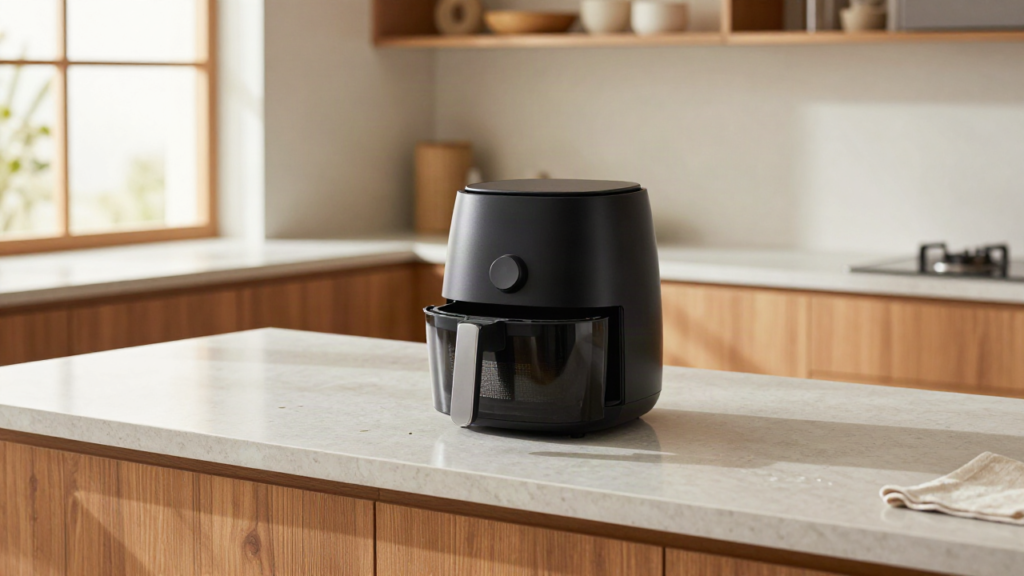
Your new air fryer should smell like dinner—not a hot plastic bag. If a chemical or plastic-like odor fills the kitchen before the first batch is even done, the worst move is to shrug and keep cooking until it “burns off.” A faint new-appliance odor can happen, but smoke, melting smells, visible distortion, or an odor that refuses to fade deserve a different response.
The useful question is not simply “Is this normal?” It is “What kind of smell is it, when does it happen, and does anything else look wrong?” That three-part check is the fastest way to separate a temporary first-use odor from a reason to stop using the appliance.
Quick answer: If the air fryer is brand new and the smell is mild, first remove every piece of packaging, wash and fully dry the removable parts, wipe the cooking chamber, keep the vents clear, and follow the manufacturer’s first-use instructions. If you smell burning or melting plastic, see smoke that is not clearly food-related, notice warping, sparking, or damaged wiring, unplug the unit and contact the manufacturer rather than cooking through it.
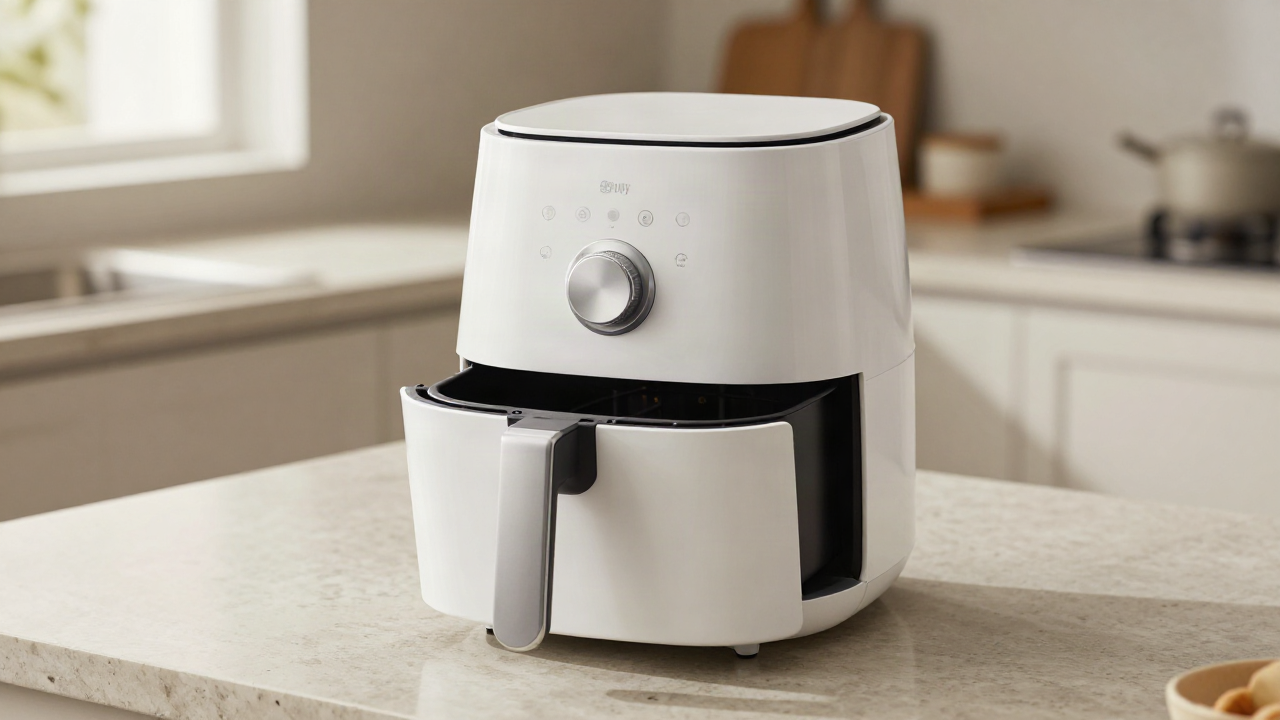
First, decide which smell you actually have
NookPrep’s simplest diagnostic is to split the problem into two tracks before trying any “odor hack.”
| What you notice | More likely explanation | What to do |
|---|---|---|
| Mild “new appliance” smell on the first few uses, no smoke or damage | Materials, coatings, dust, or manufacturing residue heating for the first time | Clean, ventilate, and follow the manual’s first-use procedure |
| Strong burning or melting odor | Packaging left behind, overheating, damaged part, electrical issue, or food contacting a hot area | Stop, unplug, cool, inspect, and contact support if the cause is not obvious |
| Odor starts only after several greasy cooks | Old oil, crumbs, splatter, or residue near the basket/heating area | Deep-clean removable parts and accessible interior surfaces per the manual |
| Chemical smell after washing | Soap or cleaner residue | Rinse thoroughly and avoid harsh or unapproved cleaners |
Philips notes that some Airfryer materials can release an odor during early use and provides a model-specific cleaning and empty-run procedure for affected units. COSORI similarly distinguishes a mild first-use odor from stronger burning, smoke, or persistent smells. The important part is that the manual for your exact model wins over any generic internet trick.
A safe troubleshooting order that avoids guesswork
1. Check for forgotten packaging before adding more heat
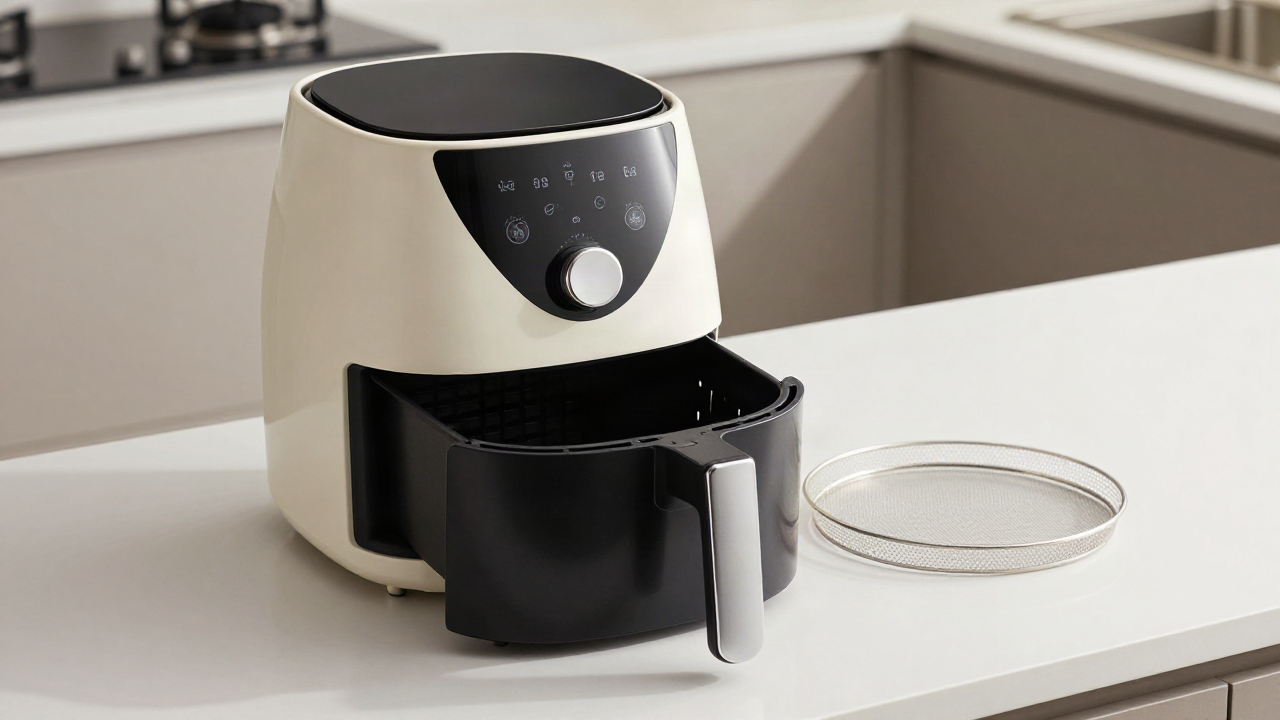
Pull out the basket, crisper plate, rack, and removable inserts. Look for transparent film, tape, foam, cardboard, stickers, silicone pieces that are meant to be removed, and packaging tucked underneath the basket. Also inspect the exterior vents. A tiny strip of film near a hot surface can smell far worse than the appliance itself.
2. Wash the food-contact parts—and rinse them completely
Warm water, mild dish soap, and a soft sponge are the conservative starting point unless your manual says otherwise. Avoid metal scrubbers and abrasive cleaners on nonstick surfaces. Then rinse until no detergent film remains and dry every part before reassembly.
3. Wipe the accessible interior, but do not “deep clean” electrical parts
With the appliance unplugged and fully cool, wipe accessible interior surfaces as the manufacturer directs. Do not pour water into the main body, soak the appliance, or disassemble electrical or heating components. If the odor seems electrical rather than simply “new,” that is a support issue, not a cleaning challenge.
4. Use an empty first-use cycle only when your manual allows it
Some manufacturers explicitly tell owners to run a clean, empty unit at a specified temperature and time to reduce first-use odor. Others may give different instructions. Do not assume the hottest possible cycle is universally appropriate. Ventilate the kitchen, keep the air intake and exhaust clear, and use the exact model instructions.
5. Let the smell trend—not one moment—guide the next decision
A mild odor that becomes noticeably weaker after proper cleaning and the manufacturer’s first-use procedure is a different pattern from an odor that grows stronger, turns smoky, or persists unchanged through repeated uses. If it is not improving, stop treating it like a harmless break-in smell.
If the air fryer is not new, look for grease before blaming the plastic
After weeks of cooking, a “plastic” smell can actually be old oil or food residue overheating. Check under the crisper plate, basket corners, and accessible surfaces near the upper cooking chamber after the appliance is unplugged and cool. Sticky oil films can create sharp, unpleasant smells when reheated.
Also check airflow. Pushing a compact air fryer tight against a wall to save counter space can work against the appliance’s ventilation requirements. Follow the clearance in your manual rather than guessing. If you use parchment, read our guide to air fryer parchment paper before covering any part of the airflow path.

What not to do just because it worked in a social-media video
Do not assume vinegar, lemon, baking soda, essential oils, or scented cleaners are safe inside every air fryer. Coatings, seals, plastics, and finishes vary by model. An odor-removal trick is not worth damaging a food-contact surface or leaving another residue behind.
Do not keep running repeated high-heat cycles if you see deformation or smell true burning. And never open the electrical housing to investigate a smell unless you are qualified and the manufacturer specifically authorizes service.
When should you stop using the air fryer?
Unplug it and contact the manufacturer or an authorized service channel if you see visible melting or warping, sparks, unusual electrical noise, damaged cord insulation, smoke not clearly caused by food, or a strong odor that does not improve after the approved cleaning/first-use steps. Those signs change the problem from “odor removal” to “appliance safety.”
If the unit is simply too large or poorly ventilated for your setup, our compact air fryer guide explains what matters when counter space is the real constraint.
FAQ
Is a plastic smell normal in a brand-new air fryer?
A mild first-use odor can occur on some models. It should not be accompanied by visible melting, electrical smells, sparks, or persistent smoke. Follow the exact model’s cleaning and first-use instructions.
Can I cook food while the new-appliance smell is still strong?
If the odor is strong enough to concern you, pause cooking and complete the manufacturer’s first-use cleaning procedure first. If it persists or smells like burning plastic, contact support before using the appliance again.
Can parchment paper cause a burning smell?
Loose parchment can move in strong airflow and may reach a hot area. Use liners only as your appliance instructions permit, and do not run loose paper in an empty basket.
Why did the smell appear after months of use?
Grease, crumbs, food splatter, cleaner residue, or restricted ventilation are more plausible starting points than “new plastic.” Clean the removable parts and accessible interior according to the manual.
Conclusion: smell is a symptom, so diagnose before you cook
A faint first-use odor and a melting-plastic smell are not the same problem. Start with the low-risk checks: packaging, removable-part cleaning, thorough rinsing, ventilation, and the manufacturer’s approved first-use procedure. If the smell fades, you have a useful trend. If it intensifies, smokes, or comes with damage, stop using the appliance rather than trying to overpower the smell with another cleaning hack.
Sources & methodology
This guide is research-based and does not claim hands-on testing of a specific air fryer. NookPrep compared manufacturer troubleshooting guidance and translated it into a decision sequence for small-kitchen users.