
Capresso CoffeeTEAM GS or Cuisinart Grind & Brew for a Small Kitchen?
· NookPrep Editorial Team
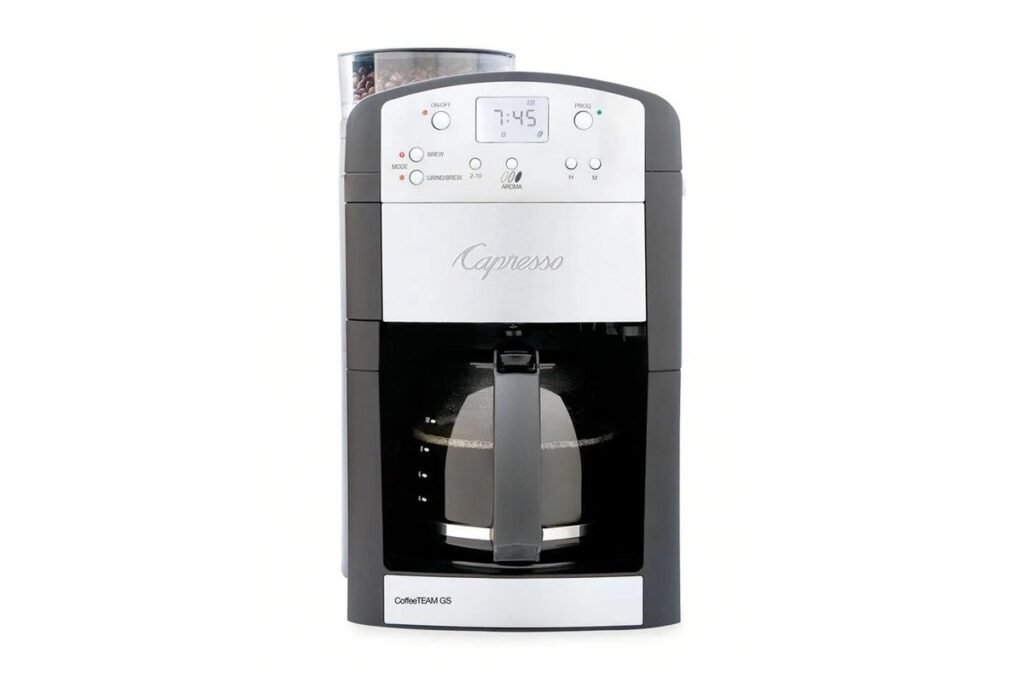
An integrated grinder and coffee maker sounds like two appliances occupying one footprint. But the difference between Capresso CoffeeTEAM GS 464.05 and Cuisinart DGB-400NAS is not simply ten versus twelve cups. One uses a conical burr grinder and the other a blade grinder. Their height, carafe size, cleanup routine and current retail availability will decide which one makes sense.
Disclosure: As an Amazon Associate I earn from qualifying purchases. This article is based on manufacturer specifications and editorial analysis, not firsthand testing. The links marked paid links may generate an affiliate commission.
Check on Amazon — Capresso CoffeeTEAM GS 464.05 (paid link; verify the selected model, color and seller)
A burr grinder and a blade grinder are not interchangeable
Capresso CoffeeTEAM GS has a conical burr grinder; the Cuisinart DGB-400NAS uses a blade grinder. This consideration is more useful when you imagine your own kitchen instead of an empty product-photography set. Put the Capresso CoffeeTEAM GS and Cuisinart DGB-400NAS in the middle of a normal weekday: when will you use it, what else will share the worktop, and what would make you reach for another tool instead? It is tempting to use a headline specification as a final answer. In a small kitchen the important difference is often the sequence of small actions before and after the advertised feature is used. A product can perform its narrow intended job and still be wrong for a particular household.
Grind consistency and adjustability may differ, but no independent taste test was conducted here. Rather than treating this as a minor caveat, use it to create a real purchase test. Compare the claim with your current equipment and typical use. Think about a busy morning, a relaxed weekend and the day when you are too tired to perform a complicated setup. Would the benefit remain relevant in each situation? If only one unusual scenario makes the product attractive, the purchase may not solve a recurring problem. This is reasoning from documented features and ordinary kitchen constraints, not the result of an unreported hands-on experiment.
One practical way to resolve this question is to write down a yes-or-no requirement before you open a shopping page. Avoid asking simply whether the appliance is good; ask whether its size, process and limitations match a task you repeat every week. Check the official manual for clearance, preparation, operation and cleaning requirements. Product dimensions alone never guarantee that an appliance can be operated safely in an arbitrary corner. It is equally important to confirm the exact model name with the seller, because visually similar product families can differ in details that affect the buying decision.
Neither brewer is as compact as the headline implies
Both are about 15.5 inches tall according to manufacturer dimensions. This consideration is more useful when you imagine your own kitchen instead of an empty product-photography set. Put the Capresso CoffeeTEAM GS and Cuisinart DGB-400NAS in the middle of a normal weekday: when will you use it, what else will share the worktop, and what would make you reach for another tool instead? It is tempting to use a headline specification as a final answer. In a small kitchen the important difference is often the sequence of small actions before and after the advertised feature is used. A product can perform its narrow intended job and still be wrong for a particular household.
A lid or bean hopper can need more than static body height under a cabinet. Rather than treating this as a minor caveat, use it to create a real purchase test. Compare the claim with your current equipment and typical use. Think about a busy morning, a relaxed weekend and the day when you are too tired to perform a complicated setup. Would the benefit remain relevant in each situation? If only one unusual scenario makes the product attractive, the purchase may not solve a recurring problem. This is reasoning from documented features and ordinary kitchen constraints, not the result of an unreported hands-on experiment.
Ten cups versus twelve cups
Capresso CoffeeTEAM GS uses a ten-cup glass carafe and Cuisinart DGB-400NAS a twelve-cup glass carafe. This consideration is more useful when you imagine your own kitchen instead of an empty product-photography set. Put the Capresso CoffeeTEAM GS and Cuisinart DGB-400NAS in the middle of a normal weekday: when will you use it, what else will share the worktop, and what would make you reach for another tool instead? It is tempting to use a headline specification as a final answer. In a small kitchen the important difference is often the sequence of small actions before and after the advertised feature is used. A product can perform its narrow intended job and still be wrong for a particular household.
Manufacturer coffee-cup ratings do not necessarily match oversized American mugs. Rather than treating this as a minor caveat, use it to create a real purchase test. Compare the claim with your current equipment and typical use. Think about a busy morning, a relaxed weekend and the day when you are too tired to perform a complicated setup. Would the benefit remain relevant in each situation? If only one unusual scenario makes the product attractive, the purchase may not solve a recurring problem. This is reasoning from documented features and ordinary kitchen constraints, not the result of an unreported hands-on experiment.
Shopping note: Exact Amazon product identifiers must be verified against the correct model and color before affiliate links go live. This article does not invent ASINs or prices.
The morning workflow on Capresso
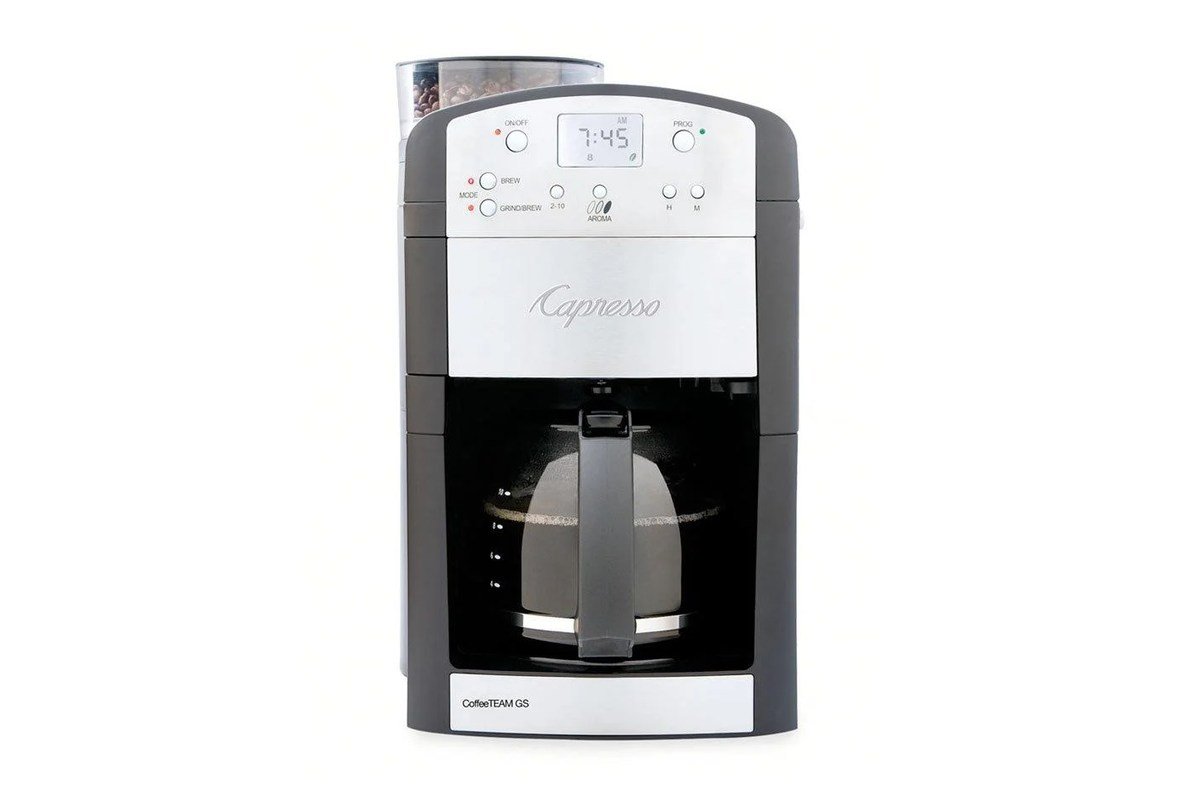
A burr grinder can appeal to people who care about grind adjustment. This consideration is more useful when you imagine your own kitchen instead of an empty product-photography set. Put the Capresso CoffeeTEAM GS and Cuisinart DGB-400NAS in the middle of a normal weekday: when will you use it, what else will share the worktop, and what would make you reach for another tool instead? It is tempting to use a headline specification as a final answer. In a small kitchen the important difference is often the sequence of small actions before and after the advertised feature is used. A product can perform its narrow intended job and still be wrong for a particular household.
More moving grind-path components may also make the cleaning routine important. Rather than treating this as a minor caveat, use it to create a real purchase test. Compare the claim with your current equipment and typical use. Think about a busy morning, a relaxed weekend and the day when you are too tired to perform a complicated setup. Would the benefit remain relevant in each situation? If only one unusual scenario makes the product attractive, the purchase may not solve a recurring problem. This is reasoning from documented features and ordinary kitchen constraints, not the result of an unreported hands-on experiment.
The morning workflow on Cuisinart
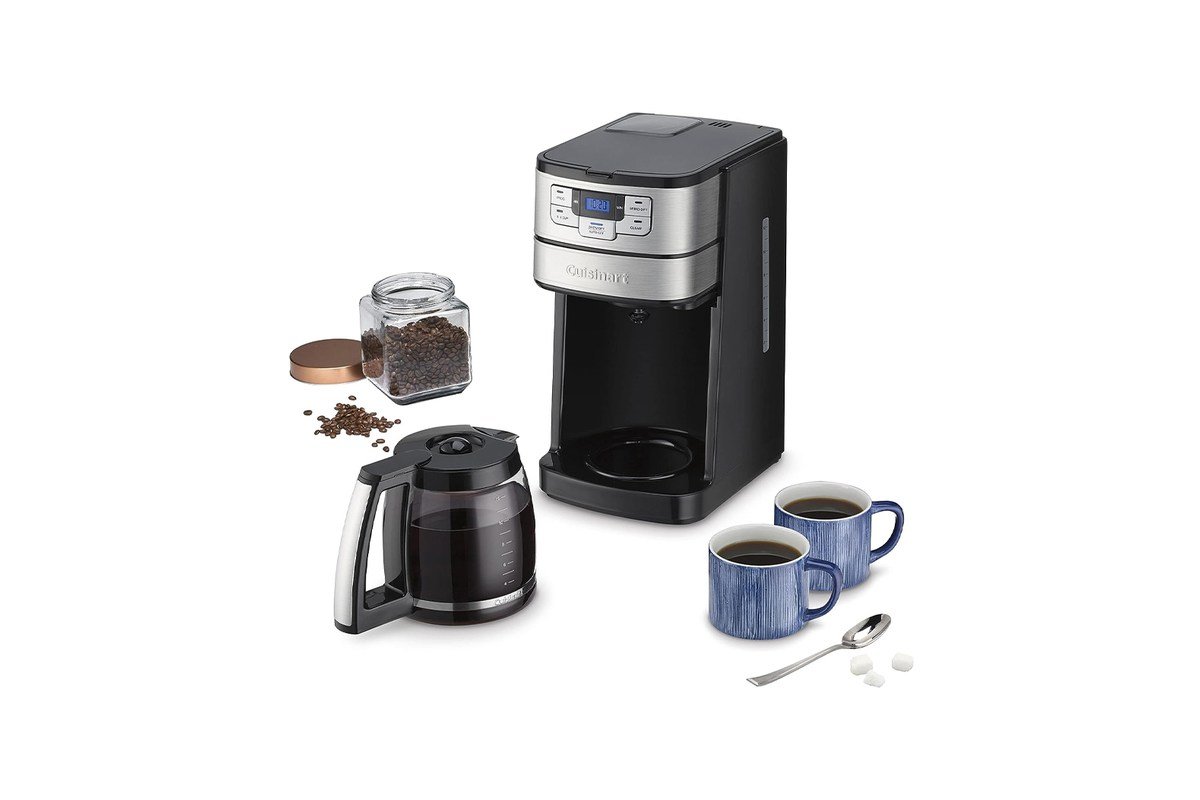
An integrated blade grinder reduces the need for a separate grinder. This consideration is more useful when you imagine your own kitchen instead of an empty product-photography set. Put the Capresso CoffeeTEAM GS and Cuisinart DGB-400NAS in the middle of a normal weekday: when will you use it, what else will share the worktop, and what would make you reach for another tool instead? It is tempting to use a headline specification as a final answer. In a small kitchen the important difference is often the sequence of small actions before and after the advertised feature is used. A product can perform its narrow intended job and still be wrong for a particular household.
It may not meet the expectations of buyers specifically seeking conical-burr grounds. Rather than treating this as a minor caveat, use it to create a real purchase test. Compare the claim with your current equipment and typical use. Think about a busy morning, a relaxed weekend and the day when you are too tired to perform a complicated setup. Would the benefit remain relevant in each situation? If only one unusual scenario makes the product attractive, the purchase may not solve a recurring problem. This is reasoning from documented features and ordinary kitchen constraints, not the result of an unreported hands-on experiment.
Cleaning is where the footprint story changes
A single machine may require attention to both grinder residue and brewer components. This consideration is more useful when you imagine your own kitchen instead of an empty product-photography set. Put the Capresso CoffeeTEAM GS and Cuisinart DGB-400NAS in the middle of a normal weekday: when will you use it, what else will share the worktop, and what would make you reach for another tool instead? It is tempting to use a headline specification as a final answer. In a small kitchen the important difference is often the sequence of small actions before and after the advertised feature is used. A product can perform its narrow intended job and still be wrong for a particular household.
A compact-looking machine that takes extra daily cleaning is not necessarily convenient. Rather than treating this as a minor caveat, use it to create a real purchase test. Compare the claim with your current equipment and typical use. Think about a busy morning, a relaxed weekend and the day when you are too tired to perform a complicated setup. Would the benefit remain relevant in each situation? If only one unusual scenario makes the product attractive, the purchase may not solve a recurring problem. This is reasoning from documented features and ordinary kitchen constraints, not the result of an unreported hands-on experiment.
What current availability means
Manufacturer availability and third-party inventory can change quickly. This consideration is more useful when you imagine your own kitchen instead of an empty product-photography set. Put the Capresso CoffeeTEAM GS and Cuisinart DGB-400NAS in the middle of a normal weekday: when will you use it, what else will share the worktop, and what would make you reach for another tool instead? It is tempting to use a headline specification as a final answer. In a small kitchen the important difference is often the sequence of small actions before and after the advertised feature is used. A product can perform its narrow intended job and still be wrong for a particular household.
A manufacturer out-of-stock label is not proof that all US sellers are out of stock. Rather than treating this as a minor caveat, use it to create a real purchase test. Compare the claim with your current equipment and typical use. Think about a busy morning, a relaxed weekend and the day when you are too tired to perform a complicated setup. Would the benefit remain relevant in each situation? If only one unusual scenario makes the product attractive, the purchase may not solve a recurring problem. This is reasoning from documented features and ordinary kitchen constraints, not the result of an unreported hands-on experiment.
Why a separate grinder might still win
A compact drip machine plus grinder creates two objects on the counter. This consideration is more useful when you imagine your own kitchen instead of an empty product-photography set. Put the Capresso CoffeeTEAM GS and Cuisinart DGB-400NAS in the middle of a normal weekday: when will you use it, what else will share the worktop, and what would make you reach for another tool instead? It is tempting to use a headline specification as a final answer. In a small kitchen the important difference is often the sequence of small actions before and after the advertised feature is used. A product can perform its narrow intended job and still be wrong for a particular household.
It can also let you replace or maintain each device independently if one fails. Rather than treating this as a minor caveat, use it to create a real purchase test. Compare the claim with your current equipment and typical use. Think about a busy morning, a relaxed weekend and the day when you are too tired to perform a complicated setup. Would the benefit remain relevant in each situation? If only one unusual scenario makes the product attractive, the purchase may not solve a recurring problem. This is reasoning from documented features and ordinary kitchen constraints, not the result of an unreported hands-on experiment.
Counter depth and the cabinet door
Capresso lists roughly 9 by 9.5 by 15.5 inches; Cuisinart roughly 8.13 by 9.98 by 15.5 inches. This consideration is more useful when you imagine your own kitchen instead of an empty product-photography set. Put the Capresso CoffeeTEAM GS and Cuisinart DGB-400NAS in the middle of a normal weekday: when will you use it, what else will share the worktop, and what would make you reach for another tool instead? It is tempting to use a headline specification as a final answer. In a small kitchen the important difference is often the sequence of small actions before and after the advertised feature is used. A product can perform its narrow intended job and still be wrong for a particular household.
A fraction of an inch at the body does not tell you how easy it is to fill beans or water. Rather than treating this as a minor caveat, use it to create a real purchase test. Compare the claim with your current equipment and typical use. Think about a busy morning, a relaxed weekend and the day when you are too tired to perform a complicated setup. Would the benefit remain relevant in each situation? If only one unusual scenario makes the product attractive, the purchase may not solve a recurring problem. This is reasoning from documented features and ordinary kitchen constraints, not the result of an unreported hands-on experiment.
Compare on Amazon — Capresso CoffeeTEAM GS 464.05 (paid link; verify the selected model, color and seller)
Compare on Amazon — Cuisinart DGB-400NAS (paid link; verify the selected model, color and seller)
Which user fits which machine
Capresso is the more obvious first look for buyers who specifically require burr grinding. This consideration is more useful when you imagine your own kitchen instead of an empty product-photography set. Put the Capresso CoffeeTEAM GS and Cuisinart DGB-400NAS in the middle of a normal weekday: when will you use it, what else will share the worktop, and what would make you reach for another tool instead? It is tempting to use a headline specification as a final answer. In a small kitchen the important difference is often the sequence of small actions before and after the advertised feature is used. A product can perform its narrow intended job and still be wrong for a particular household.
Cuisinart is worth comparing for users who favor a larger carafe and accept a blade grinder. Rather than treating this as a minor caveat, use it to create a real purchase test. Compare the claim with your current equipment and typical use. Think about a busy morning, a relaxed weekend and the day when you are too tired to perform a complicated setup. Would the benefit remain relevant in each situation? If only one unusual scenario makes the product attractive, the purchase may not solve a recurring problem. This is reasoning from documented features and ordinary kitchen constraints, not the result of an unreported hands-on experiment.
A decision before checking out
Verify your counter, the official variant, the seller and replacement parts availability. This consideration is more useful when you imagine your own kitchen instead of an empty product-photography set. Put the Capresso CoffeeTEAM GS and Cuisinart DGB-400NAS in the middle of a normal weekday: when will you use it, what else will share the worktop, and what would make you reach for another tool instead? It is tempting to use a headline specification as a final answer. In a small kitchen the important difference is often the sequence of small actions before and after the advertised feature is used. A product can perform its narrow intended job and still be wrong for a particular household.
Avoid presenting either one as a measured taste winner without physical testing. Rather than treating this as a minor caveat, use it to create a real purchase test. Compare the claim with your current equipment and typical use. Think about a busy morning, a relaxed weekend and the day when you are too tired to perform a complicated setup. Would the benefit remain relevant in each situation? If only one unusual scenario makes the product attractive, the purchase may not solve a recurring problem. This is reasoning from documented features and ordinary kitchen constraints, not the result of an unreported hands-on experiment.
What everyday use changes
The biggest mistake in this comparison is to reduce it to a burr-versus-blade slogan. The Capresso CoffeeTEAM GS 464.05 has a built-in conical burr mechanism and a ten-cup glass carafe. The Cuisinart DGB-400NAS uses a blade grinder and a twelve-cup carafe. Both combine two daily tasks, but those tasks still need cleaning and access from above. The morning routine includes pouring beans, checking water, cleaning the filter area and returning the carafe—not only pressing a brew button.
Ask yourself what you actually do on a weekday. If you brew enough coffee for several people and prefer a larger carafe, the Cuisinart’s capacity is relevant. If your priority is choosing grind fineness and making a consistent ground-coffee workflow, Capresso’s conical burr design is a meaningful distinction. Neither fact lets us promise better tasting coffee without a controlled comparison of beans, dose, grind, water temperature and extraction. A manufacturer feature list is a starting point, not a verdict about the final cup.
The details worth checking before checkout
An integrated grinder does not eliminate grinder maintenance. Coffee oils and grounds accumulate where beans are processed and transferred. Check the instructions for access to the grinder channel, removable components, and recommended cleaning materials. The Capresso product description highlights an accessible grind path; the Cuisinart requires attention to its own blade-grinder chamber. If your mornings already feel rushed, a machine with fewer components to wipe may matter more than another programmable timer.
Think about beans and storage, too. A hopper that holds several days’ worth of coffee can be convenient but is not a license to ignore freshness or cleaning. A separate grinder could be easier to replace independently if one appliance fails, while a combined machine reduces the number of devices on display. And a glass carafe and hot plate bring a different drinking rhythm from single-serve brewers. Consider your number of cups, how long you drink them, and whether you frequently brew decaf or pre-ground coffee.
What the published evidence establishes
Capresso lists the 464.05 at approximately 9 by 9.5 by 15.5 inches with a 900-watt US electrical specification. Cuisinart’s listing presents a 12-cup Grind & Brew with blade-grinder construction and a body around 8.13 by 9.98 by 15.5 inches. These published dimensions are useful for cabinet planning. We have not physically timed a grind cycle, compared sound, measured particle distribution or evaluated coffee strength, so none of those outcomes are presented as fact.
The most decisive untested variable is accessibility. Both are relatively tall countertop appliances, and you need extra space above the top to add beans and water and perform cleanup. Some kitchens have an upper cabinet that makes that movement awkward even though the closed machine fits. Mock up the height and reach before purchase. Review the current seller availability separately: a manufacturer listing marked out of stock is not proof of Amazon stock or a reason to invent a retailer price. The product must match the full model designation.
A practical buying checklist
Choose based on the grinder mechanism you want, the carafe size you use and the chores you are comfortable doing. For Capresso, confirm CoffeeTEAM GS 464.05 rather than CoffeeTEAM TS or a PRO model; model names are easy to mix up. For Cuisinart, look for DGB-400NAS rather than the discontinued DGB-2 single-serve unit or another Grind & Brew with different grinder internals. Match the photographs to the exact front controls and carafe before ordering.
Measure your actual cabinet height and how far the unit must slide forward for filling and cleaning. Look at filters, included scoop and compatible replacement parts, then decide whether an all-in-one machine really reduces clutter. If you mainly brew one cup at a time, neither ten- nor twelve-cup carafe design may be the right fit. The bottom line is a workflow decision, not an invented laboratory score: Capresso prioritizes conical burr control; Cuisinart emphasizes a larger batch in a blade-grind format.
Source and review boundaries
Primary specifications and model information: https://www.capresso.com/coffee-makers/coffeeteam-gs.html. NookPrep has not claimed to have performed first-person measurements, electrical testing, taste testing, reliability tracking, or manufacturer certification. Confirm current availability and the precise retail model. The missing exact-model Amazon product links and any image-model verification must be resolved before publication.
What to confirm before you buy
- Capresso 464.05: 10-cup glass carafe, integrated conical burr grinder.
- Cuisinart DGB-400NAS: 12-cup grind-and-brew uses a blade-style grinder.
- Stock: Manufacturer availability can change; do not imply both are in stock.
Primary product documentation
These are manufacturer materials, not independent performance testing. Verify specifications for the exact variant and seller listing before purchase.
Amazon product links and model checklist
The product buttons are affiliate links. Seller, variant, availability and price can change. Check the exact model designation against the manufacturer pages before purchasing; no physical product testing is claimed in this guide.
Review the exact listing — Capresso CoffeeTEAM GS 464.05 (paid link; verify the selected model, color and seller)
Review the exact listing — Cuisinart DGB-400NAS (paid link; verify the selected model, color and seller)